Les Misérables: What It's About & Best Translation
The translation you choose determines whether you get Hugo's novel or an edited version of it
As an Amazon Associate, we earn from qualifying purchases.
Les Misérables (1862) follows Jean Valjean, an ex-convict who breaks his parole to remake himself as a mayor and factory owner, only to spend the rest of his life pursued by the relentless police inspector Javert. Around him, Victor Hugo builds a sweeping account of poverty, revolution, and redemption in 19th-century France — following Fantine's tragic decline, the orphan Cosette's rescue, and the doomed student uprising at the barricades of 1832. Below: which translation to read, plus a full breakdown of the novel's themes and characters.
Translation Comparison at a Glance
| Translation | Readability | Accuracy | Tone | Best For |
|---|---|---|---|---|
| Fahnestock & MacAfee (1987) | High | Excellent | Clear, grand, warm | First complete reading |
| Denny (1976) | High | Good | Literary, streamlined | Compact plot-focused read |
| Rose (2008) | Moderate | Very good | Idiomatic, contemporary | Second reading comparison |
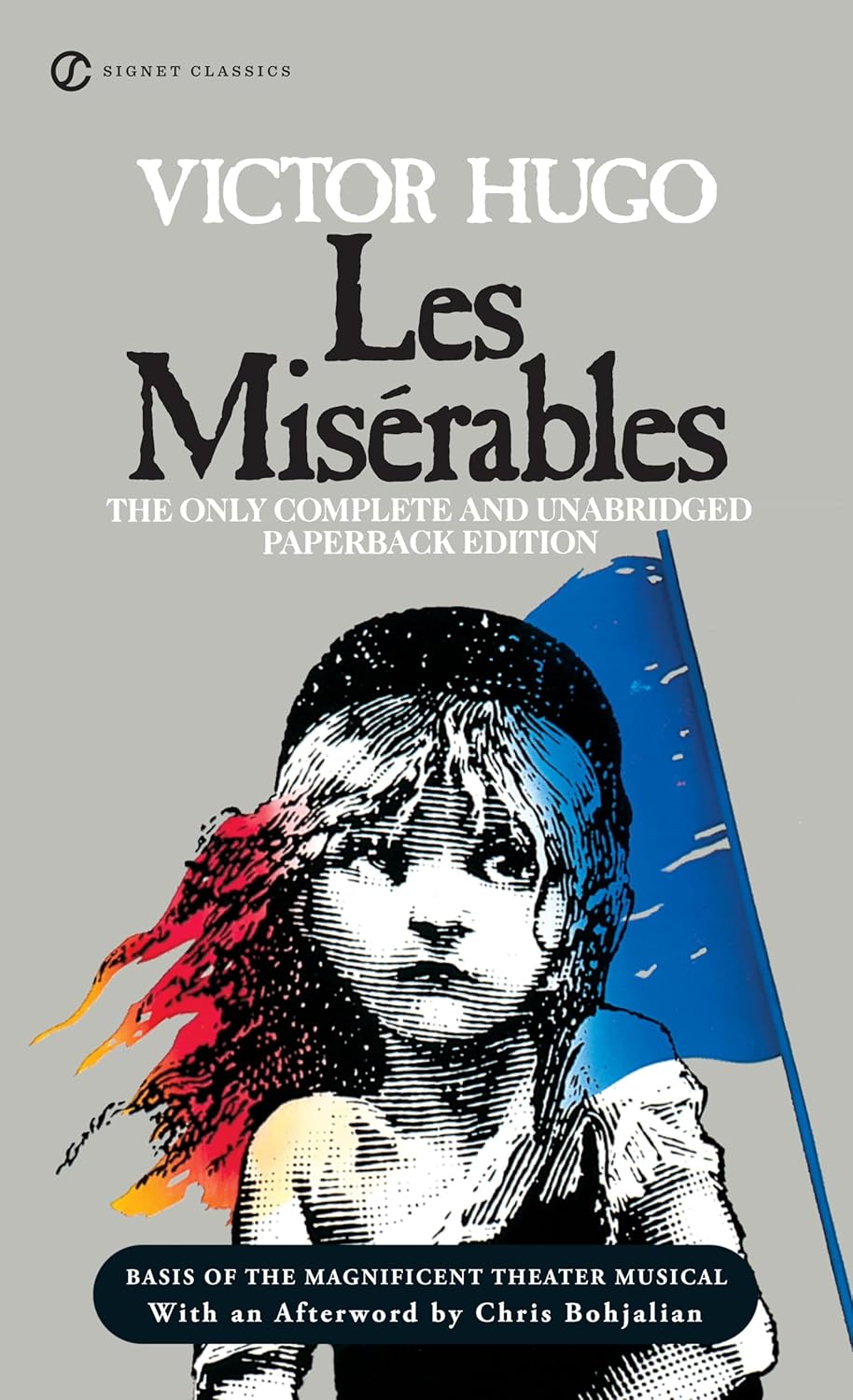
#1 — Les Misérables — trans. Lee Fahnestock & Norman MacAfee (1987)
- Readability: Clear and forward-moving, making the novel's length manageable.
- Accuracy: Fully unabridged, preserving every digression and footnote.
- Tone: Balances rhetorical grandeur with warmth across tragedy, comedy, and polemic.
- Accessibility: Affordable Signet Classics paperback widely available.

Guidall's rich, emotive narration captures the epic scope and emotional depth of Les Misérables, paired with the widely praised Fahnestock and MacAfee translation.
Listen on Audible →Which translation is right for you?
- Choose Fahnestock & MacAfee if you want the complete unabridged novel with every digression preserved and a readable, balanced tone.
- Choose Denny if you want a more compact, literary introduction to the central story, accepting that significant digressions are cut.
- Choose Rose if you want a contemporary, idiomatic second reading after Fahnestock to compare stylistic approaches.
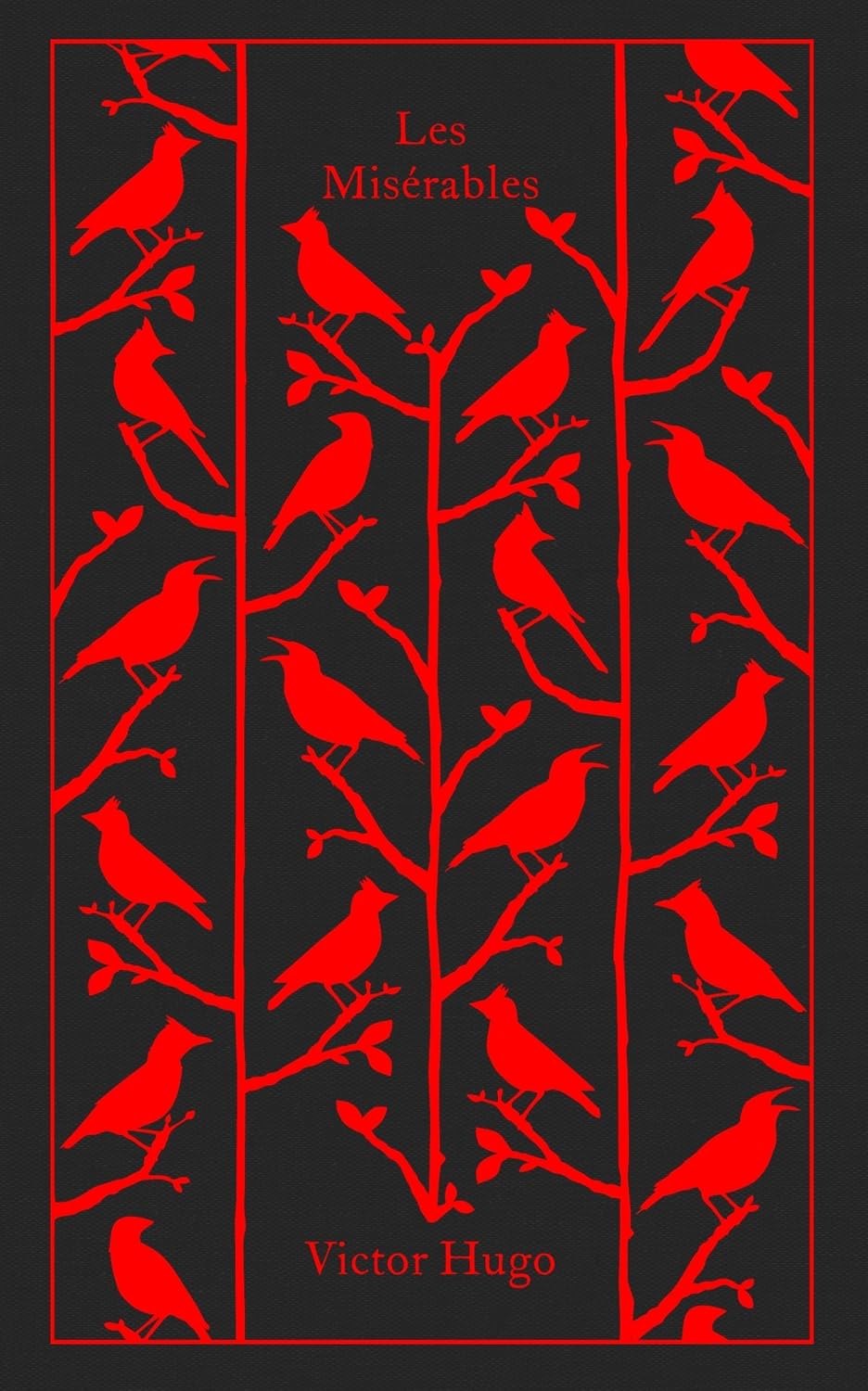
#2 — Les Misérables — trans. Norman Denny (1976)
- Readability: Excellent literary skill with a streamlined central narrative.
- Accuracy: Abridged, cutting significant digressions.
- Tone: Polished and literary, prioritising plot momentum.
- Accessibility: Longstanding Penguin Classics edition for British readers.
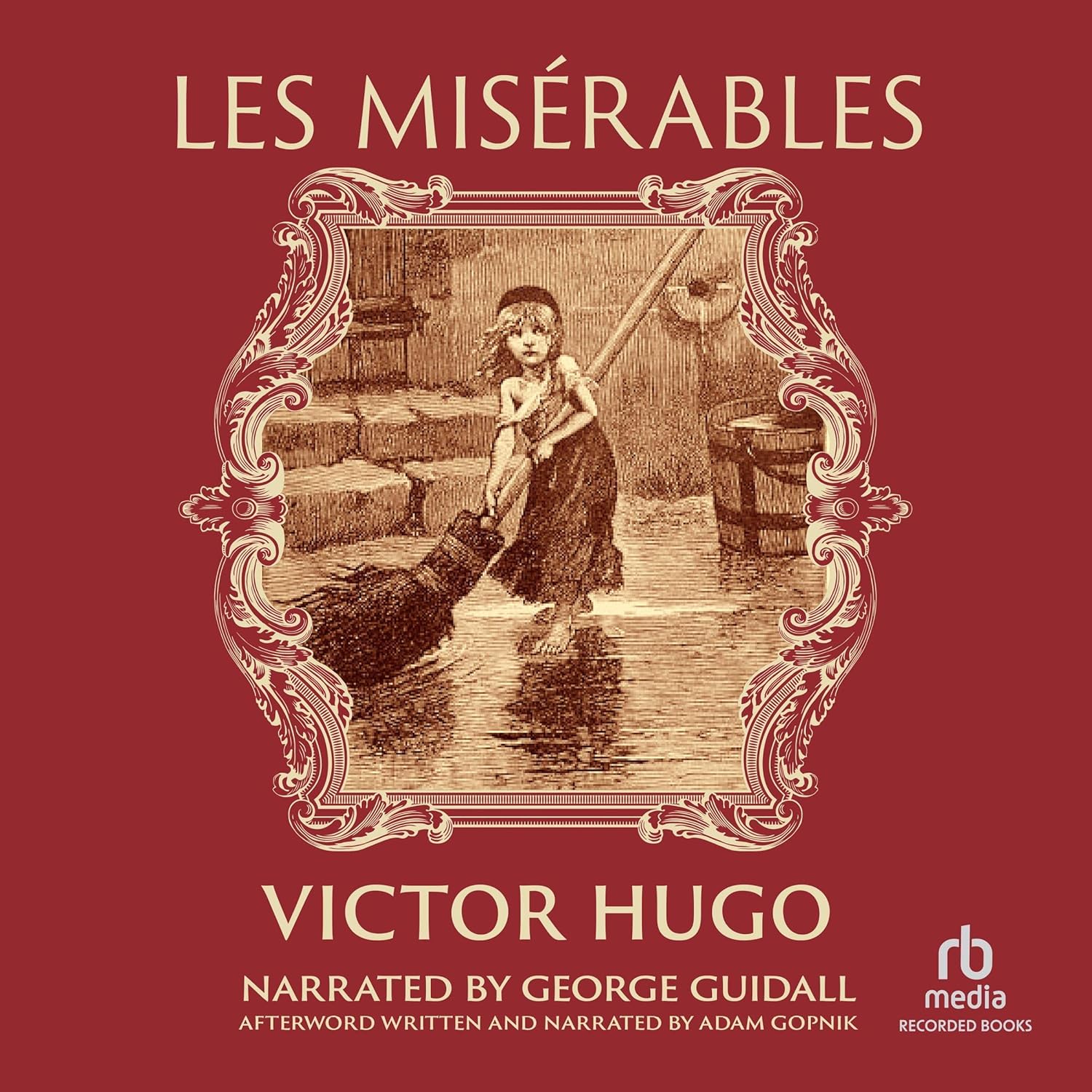
#3 — Les Misérables — trans. Julie Rose (2008)
- Readability: Bold and immediate but sometimes colloquial.
- Accuracy: Fully unabridged with radical stylistic choices.
- Tone: Idiomatic and modern rather than Victorian.
- Accessibility: Best as a second translation for comparison.
About the Translators
Lee Fahnestock & Norman MacAfee (1987, Signet Classics): The team behind the standard English unabridged Les Misérables. Fahnestock and MacAfee worked directly from the French original and aimed to restore the complete text that earlier English translations had cut. Their Signet Classic has been in continuous print for nearly forty years.
Norman Denny (1976, Penguin Classics): British translator who produced the Penguin Classics version; he was transparent about his abridgments, arguing in his introduction that Hugo's digressions would alienate modern readers. His version dominated the British market for decades.
Julie Rose (2008, Modern Library): Australian literary translator; her other translations include Racine for Oxford. Her choices in Les Misérables were the most radical of any major English translation, generating both strong praise and strong criticism for departing from the novel's Victorian register.
Themes
The law as institutionalized injustice. Jean Valjean serves nineteen years in the galleys — five for stealing bread, fourteen for escape attempts. He exits the law a free man and a marked one, and the novel spends the next thirty years tracing how a society that produces Valjean then produces Javert, who believes the law and justice are identical. The confrontation between them is not individual but structural: Valjean embodies what the law excludes; Javert embodies what the law requires; both are destroyed by the gap between the two.
The barricades of 1832. The historical event at the center of the novel's second half is not the French Revolution of 1789 but the failed uprising of June 1832, when Parisian students and workers built barricades and were crushed by the government of Louis-Philippe. Hugo witnessed these events personally. Enjolras and the students die for a revolution that does not happen, and the novel holds both things simultaneously — their cause was just; their death was futile — without resolving the tension.
Redemption and its cost. The novel's central argument is that human beings can be transformed by a single act of grace — Bishop Myriel's forgiveness of Valjean is the originating event, the grace from which everything follows. But redemption in Hugo is not free: it costs Valjean everything, repeatedly, including finally his life, in a sacrificial act of love for Cosette and Marius that the novel stages as a quiet death and treats as the most serious thing in it.
Key Characters
Jean Valjean — ex-convict who becomes mayor and factory owner; adopted father of Cosette; hunted by Javert for thirty years. The novel's central argument — that human beings can be transformed by grace and destroyed by a system that refuses to believe in that transformation — runs through him entirely.
Javert — police inspector who pursues Valjean across two decades. He is not a villain but a true believer: he believes absolutely in the law, in order, in the impossibility of redemption. When he finally encounters evidence that contradicts his worldview, he cannot survive it.
Fantine — Cosette's mother, abandoned by the father, driven to prostitution and then death by the economic and social forces the novel anatomizes. Her suffering is the novel's opening indictment, and Valjean's promise to protect her daughter is the act that structures everything that follows.
Cosette — the orphan Valjean rescues from the Thénardiers. She is less a fully developed character than a symbol of the innocence the system would destroy; the novel's sympathies are always with her but rarely inside her.
Marius Pontmercy — the young republican who falls in love with Cosette and fights on the barricades. He is Hugo's surrogate for a generation of idealistic young men who found the July Revolution of 1830 insufficient.
Éponine — the Thénardier daughter whose unrequited love for Marius, and final sacrifice for him, is the novel's most complex emotional performance; she understands more than anyone else in the book.
Recommended Sources
For further academic reading on Hugo and Les Misérables:
- Nineteenth-Century French Studies (University of Nebraska Press) — the primary English-language journal for Hugo scholarship; central venue for research on Les Misérables as political novel.
- French Studies (Oxford University Press) — the leading British French studies journal; essential for Hugo's relationship to Romanticism and the French literary tradition.
- PMLA (Modern Language Association) — key venue for comparative readings of Hugo in the context of Victorian social fiction and European Realism.
Which translation is right for you?
Choose Fahnestock (Signet Classics) for a complete first reading — it is the most reliable unabridged version and has carried the novel to more English readers than any other. Choose Denny (Penguin) if you want a more compact first encounter, knowing the digressions are cut; his central narrative is excellent. Choose Rose (Modern Library) as a second reading after Fahnestock — her choices become illuminating in comparison rather than merely jarring.
Frequently Asked Questions
What is Les Misérables about?
Les Misérables follows Jean Valjean, an ex-convict who breaks parole to remake himself as a mayor and factory owner, only to be pursued for decades by the relentless police inspector Javert. Around him, Victor Hugo builds a sweeping account of poverty, revolution, and redemption in 19th-century France, following Fantine's tragic decline, the orphan Cosette's rescue, and the doomed student uprising at the barricades of 1832.
Is Les Misérables hard to read?
It's long rather than difficult — the unabridged Fahnestock and MacAfee translation reads clearly and moves forward well despite Hugo's many digressions. The Denny translation cuts those digressions for a shorter, more plot-focused read if the full length is a concern.
Which Les Misérables translation is best?
The Fahnestock and MacAfee translation is the standard recommendation for English readers who want the complete novel. It is unabridged and reads with clarity and forward momentum.
Fahnestock & MacAfee vs Denny — which should I choose?
Choose Fahnestock for the complete unabridged text with every digression. Choose Denny if you want a more compact reading experience, knowing the digressions are cut.
Which translation is easiest to read?
Fahnestock and MacAfee is the most readable unabridged English Les Misérables currently available.
Which translation is most accurate?
Fahnestock and MacAfee is unabridged and preserves every digression and footnote Hugo intended.
Why do some Les Misérables translations cut the digressions?
Translators like Denny cut digressions on the grounds that modern readers would find them tedious, resulting in a different book that prioritises plot over Hugo's larger argument.
This guide is based on reading all 3 translations and reviewing scholarly commentary. Last reviewed: June 2026.
As an Amazon Associate, I earn from qualifying purchases.
Looking for another classic? Browse all our translation guides →
Victor Hugo also wrote our guide to the best Hunchback of Notre-Dame translation.
For more 19th-century French fiction, see the best Red and the Black translation.
Balzac's world is explored in our Lost Illusions translation guide.
Readers of Hugo often enjoy the best Madame Bovary translation comparison.