Nausea: What It's About & Best Translation
Sartre's existentialist masterpiece — and the Lloyd Alexander translation that introduced it to American readers
As an Amazon Associate, we earn from qualifying purchases.
Nausea is a novel by Jean-Paul Sartre that explores existential themes through the experiences of Antoine Roquentin, a historian who becomes acutely aware of the absurdity and contingency of existence. The narrative is presented in the form of Roquentin's diary, capturing his philosophical reflections and emotional turmoil.
Translation Comparison at a Glance
| Translation | Readability | Accuracy | Tone | Best For |
|---|---|---|---|---|
| Alexander (1964) | High | Very good | Clear, purposeful, introspective | American readers, first-time readers |
| Baldick (1965) | High | Very good | Slightly different rhythm and register | UK readers, comparative reading |
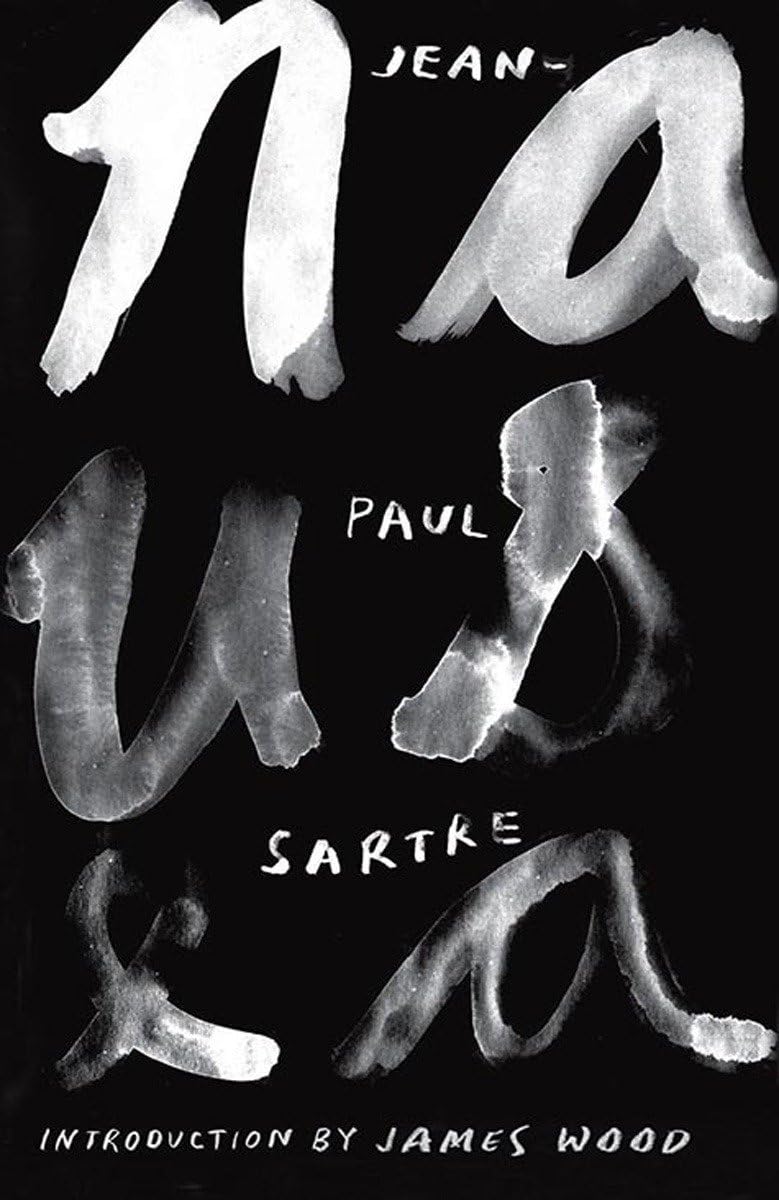
#1 — Nausea — trans. Lloyd Alexander (1964)
- Readability: Clear and purposeful, rendering the diary form's introspective plainness.
- Accuracy: Faithful to the philosophical urgency without stylistic interference.
- Tone: Thoughtful and direct, preserving the undertow of unease.
- Accessibility: Widely available US edition ideal for most readers.
Which translation is right for you?
- Choose Alexander if you want the widely available US edition with James Wood's introduction and clear, purposeful prose.
- Choose Baldick if you are in the UK or prefer the Penguin Modern Classics edition and its slightly different rhythmic texture.
About the Translators
Lloyd Alexander (1924–2007, 1964, New Directions): American author; primarily celebrated as a writer of fantasy fiction for young readers (the Chronicles of Prydain, which won the Newbery Medal); he also worked as a literary translator from French in the 1950s and early 1960s, producing the New Directions translation of Nausea that has been the American standard for sixty years. His English is clear and purposeful, serving the novel's existentialist urgency with minimal stylistic interference.
Robert Baldick (1927–1972, 1965, Penguin Modern Classics): British scholar and translator; his translations include Flaubert's Sentimental Education, Huysmans's À rebours, and Zola's Germinal for Penguin. His version of Nausea is the UK standard and differs from Alexander's primarily in rhythmic texture and register; both translations are accurate and readable, and the choice between them is largely a matter of availability.
Themes
Existence and radical contingency. The novel's central philosophical experience — the nausea — is triggered by the perception that things simply exist: that they have no necessity, no purpose, no essence beyond their sheer brute presence. Roquentin looks at the root of a chestnut tree in a park and is suddenly overwhelmed by the full reality of its existence — its unnecessary, unjustified, overflowing factness. This is Sartre's philosophical intuition from Being and Nothingness (which he was writing contemporaneously) given physical form: existence precedes essence, and the recognition of this fact is nauseating.
Art as the only necessity. Against the gratuitous contingency of existing things, Roquentin finds one exception: the jazz tune he hears repeatedly in the café. The song does not exist in the same way that the chestnut root exists; it has a kind of necessity, a "had to be" quality, that physical things lack. This is the novel's oblique answer to the nausea — not a solution but a glimpse of an alternative mode of being that art might provide, and that motivates Roquentin's decision, at the novel's end, to write a novel.
The Autodidact and the comedy of humanist optimism. The Autodidact — the self-improving man who is reading the entire library in alphabetical order — is the novel's comic foil: a portrait of humanist faith in the accumulating power of knowledge, presented with simultaneous sympathy and devastating satire. His humanism is sincere, his learning real, and his fate — discovered molesting a young man and expelled from the library in shame — is presented without comment but with great precision.
Key Characters
Antoine Roquentin — the narrator; a historian living alone in a provincial port city (based on Le Havre) while writing a biography of an eighteenth-century adventurer. He is intelligent, solitary, and afflicted with the nausea that gives the novel its title; his diary is the only form in which he can record what is happening to him without the falsifications of social convention.
The Autodidact — Monsieur de Rollebon's admirers library patron who is systematically reading every book in the library alphabetically; his faith in the accumulation of knowledge as a moral good is the novel's central humanist position, held up for examination and found both touching and inadequate.
Anny — Roquentin's former girlfriend, encountered briefly in Paris near the novel's end; her pursuit of "perfect moments" — instants of pure aesthetic and emotional intensity — is a personal philosophy that mirrors and differs from Roquentin's existential crisis in ways that their brief reunion makes clear.
The jazz singer (Some of These Days) — not a character but a presence: the voice of an unknown Black American jazz singer heard on a café phonograph, performing the song that Roquentin associates with the only kind of existence that feels necessary rather than contingent. She is never named; she is the novel's salvation figure, present only as sound.
Recommended Sources
For further academic reading on Sartre and Nausea:
- Sartre Studies International (Berghahn Journals) — the primary journal for Sartre scholarship; essential for the novel in relation to Sartre's philosophy, biography, and literary career.
- French Studies (Oxford University Press) — the leading British journal for French literature; key for Nausea in its literary-historical context and relationship to the French existentialist tradition.
- Philosophy and Literature (Johns Hopkins) — the primary venue for work at the intersection of philosophy and narrative; extensive coverage of the phenomenological and existentialist dimensions of the novel.
Which translation is right for you?
For American readers, Alexander (New Directions) is the natural choice — in print continuously for sixty years, widely available, with James Wood's useful introduction to the current edition. UK readers will find Baldick (Penguin Modern Classics) more readily available, and it is an equally reliable version. The philosophical core of the novel comes through in both; the differences are of tone and rhythm rather than substance.
Frequently Asked Questions
What is Nausea about?
Nausea is a novel by Jean-Paul Sartre that explores existential themes through the experiences of Antoine Roquentin, a historian who becomes acutely aware of the absurdity and contingency of existence. The narrative is presented in the form of Roquentin's diary, capturing his philosophical reflections and emotional turmoil.
Is Nausea hard to read?
Nausea can be challenging due to its philosophical depth and introspective style. However, both the Alexander and Baldick translations are accessible, with Alexander's version being particularly clear and purposeful, making it a good choice for first-time readers.
Which Nausea translation is best?
For American readers, Lloyd Alexander's 1964 New Directions edition is the standard choice: widely available, continuously in print, and featuring James Wood's introduction.
Alexander vs Baldick — which should I choose?
Alexander is the US standard with a thoughtful James Wood introduction; Baldick is the UK Penguin edition and differs mainly in rhythmic texture. Both are accurate and readable.
Which translation is easiest to read?
Both Alexander and Baldick are idiomatic and readable; Alexander's clear, purposeful English serves the diary form particularly well for most readers.
Which translation is most accurate?
Both translations are accurate; differences lie in tone and rhythm rather than substance, so either serves the philosophical core faithfully.
Why has the Alexander translation remained the American standard for over sixty years?
It has stayed continuously in print, is widely available, and comes in a well-designed New Directions edition with a valuable introduction by James Wood.
This guide is based on reading the translation(s) and reviewing scholarly commentary. Last reviewed: June 2026.
As an Amazon Associate, I earn from qualifying purchases.
Looking for another classic? Browse all our translation guides →
Camus's existential masterpiece is covered in our guide to the best Plague translations.
For more Sartre-adjacent French fiction, see our The Stranger translation guide comparing Ward and Smith.
Readers drawn to Nausea's modernist alienation may also enjoy our Journey to the End of the Night translation guide.
Another landmark of European existential literature is our Steppenwolf translation guide for Hesse.