The Plague: What It's About & Best Translation
Camus's epidemic novel — and why a new translation arrived at exactly the right moment
As an Amazon Associate, we earn from qualifying purchases.
The Plague is a novel by Albert Camus that tells the story of a plague sweeping through the Algerian city of Oran. It explores themes of human resilience, solidarity, and the absurdity of life.
Translation Comparison at a Glance
| Translation | Readability | Accuracy | Tone | Best For |
|---|---|---|---|---|
| Gilbert (1948) | High | Good | Formal, elevated | Historical context and criticism |
| Marris (2022) | Very high | Excellent | Spare, direct, urgent | First-time modern readers |
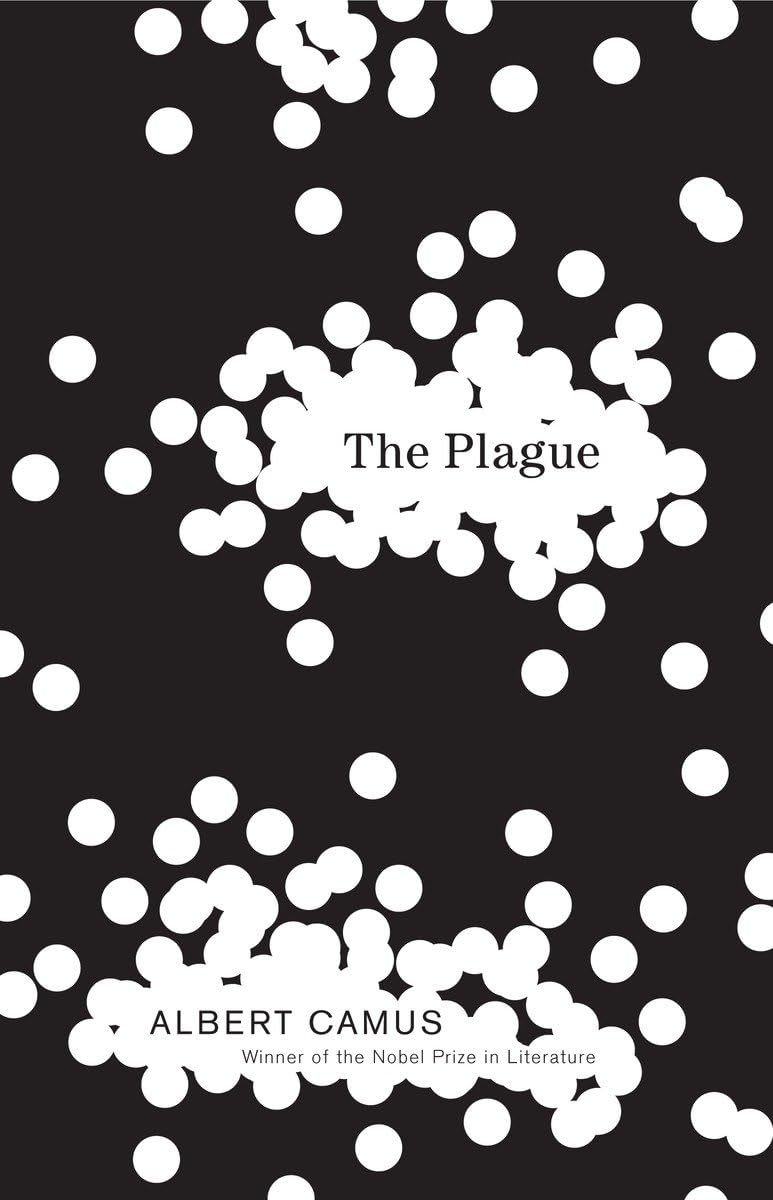
#1 — The Plague — trans. Stuart Gilbert (1948)
- Readability: Readable and graceful with formal, elevated register.
- Accuracy: Solid but smoothed some of Camus's deliberate flatness.
- Tone: Classical grandeur appropriate to the novel's ambitions.
- Accessibility: The version most readers and critics already know.
James Jenner's compelling narration captures the existential tension and moral depth of Camus' masterpiece, making Gilbert's translation an immersive experience.
Listen on Audible →Which translation is right for you?
- Choose Gilbert if you want the version that shaped three generations of English engagement with the novel and carries the authority of long usage.
- Choose Marris if you want the most precise and contemporary rendering, especially if reading the novel for the first time in the twenty-first century.
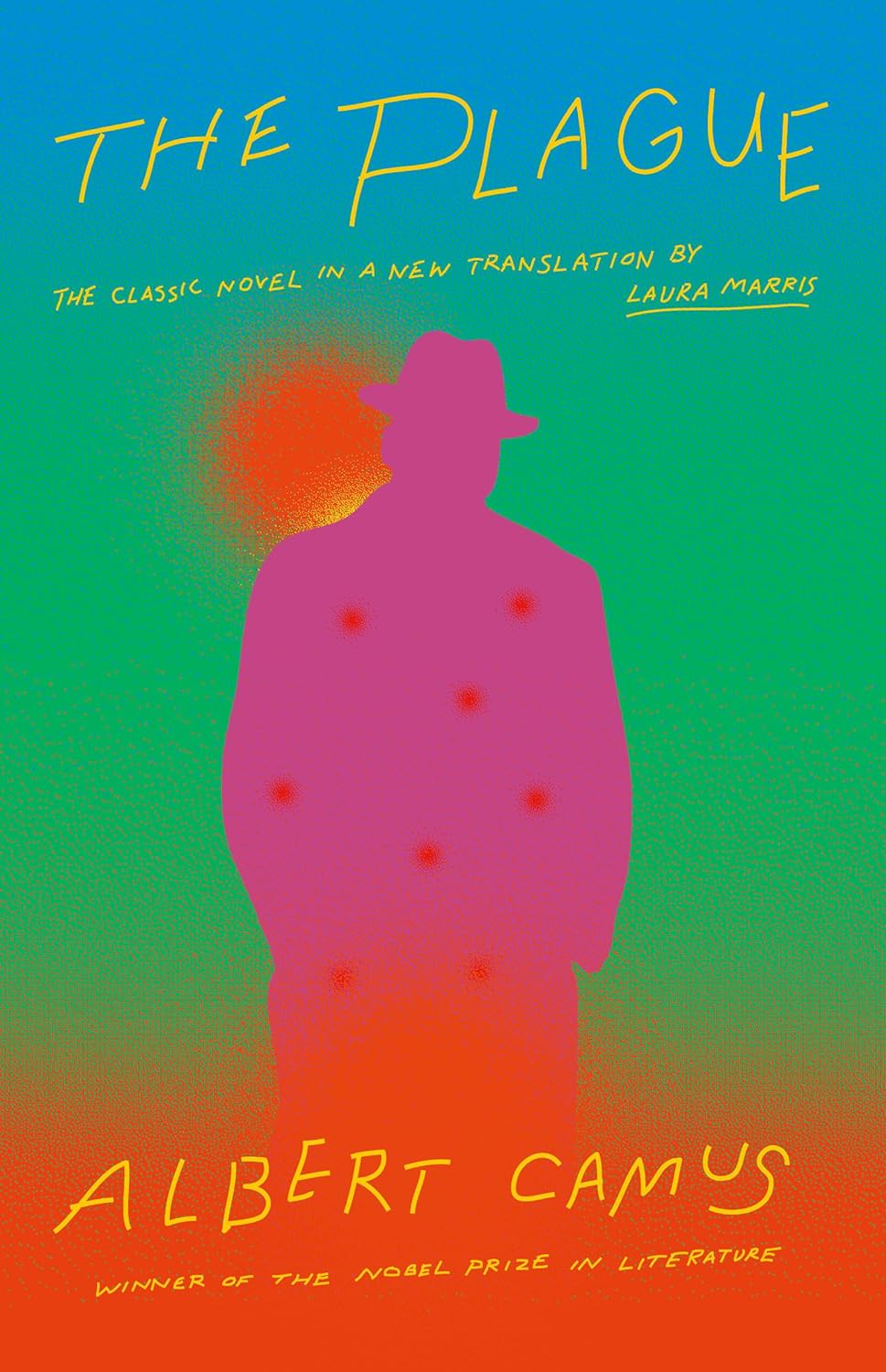
#2 — The Plague — trans. Laura Marris (2022)
- Readability: Markedly more spare and direct than Gilbert's.
- Accuracy: Highest, informed by decades of additional scholarship.
- Tone: Contemporary, urgent, and unsettling.
- Accessibility: Ideal for twenty-first-century first-time readers.
About the Translators
Stuart Gilbert (1883–1969, 1948, Vintage): British scholar and translator; best known for his James Joyce scholarship (James Joyce's Ulysses: A Study, 1930) and for his French translations of Joyce's own works. He translated Camus's La Peste, L'Étranger, and other works, and his version of The Plague served English readers for over seventy years.
Laura Marris (2022, Knopf): American poet and translator; also translated Camus's early prose for various publications. Her 2022 Knopf translation is the first major new English version of La Peste since Gilbert's, written with access to decades of Camus scholarship Gilbert did not have, and published in the full glare of pandemic-era attention.
Themes
Revolt without consolation. Camus's Dr. Rieux treats plague victims not because he believes in a cause or has faith in ultimate justice, but because the work is in front of him and needs to be done. This is Camus's "revolt" — the refusal to acquiesce in suffering, to abandon the work, to seek consolation in false transcendence. Tarrou articulates this position most directly: he wants to be a saint without God. The novel's argument is that this is the only honest response to a universe that provides no moral logic for arbitrary suffering.
The plague as allegory. Camus denied that La Peste was an allegory for the Nazi occupation of France, but the denial fooled no one: the novel was written during and after the Occupation, and the city sealed off from the outside world, the normalization of death, the collaboration and resistance among the trapped population — all map directly onto the French experience. The allegory extends further: any collective catastrophe that arrives slowly, is denied, overwhelms institutions, and recedes without explanation.
The chronicle form as ethical choice. Rieux identifies himself as the novel's narrator only in its final pages, having presented himself throughout as a neutral chronicler of facts. This narrative choice is itself ethical: the novel refuses heroic narrative, individual triumph, and the kind of dramatic arc that would make the plague's end feel like a resolution. Camus's realism is a form of honesty that the structure enacts.
Key Characters
Dr. Bernard Rieux — the physician and narrator; a secular humanist who treats patients without illusion and without self-pity. His wife has left Oran before the quarantine and is ill elsewhere; her fate is uncertain through most of the novel. He is the novel's ethical center without being its moral mouthpiece.
Jean Tarrou — Rieux's close friend and collaborator; a man with a mysterious past who organizes the volunteer sanitary squads and who articulates the novel's most explicit philosophy in a long late-night conversation with Rieux. He dies of plague near the novel's end — one of the most affecting passages in Camus.
Raymond Rambert — the journalist from Paris, trapped by the quarantine, who spends most of the novel trying to escape to rejoin the woman he loves and finally chooses to stay and help. He represents the individual who discovers a capacity for solidarity he did not know he had.
Father Paneloux — the Jesuit priest who preaches two sermons about the plague: the first exhorts the townspeople to repent; the second, after the agonizing death of an innocent child, is a study in how faith survives what it cannot explain. He dies shortly after, of an illness he refuses to allow Rieux to diagnose.
Cottard — the neighbor who flourishes during the plague, is happy only when everyone else is also trapped and suffering, and collapses into violence when the plague ends. He is Camus's portrait of the collaborationist mentality — the person for whom catastrophe is an opportunity.
Recommended Sources
For further academic reading on Camus and The Plague:
- Yale French Studies — the leading English-language journal for French literary studies; key for the critical debate over Camus's representation of Algeria and the plague's allegorical dimensions.
- Modern Language Notes (MLN) (Johns Hopkins) — essential for Camus's relationship to French existentialism and his philosophical distinction from Sartre.
- PMLA (Modern Language Association) — key venue for the postcolonial and comparative readings of The Plague that have reshaped its interpretation.
Which translation is right for you?
Choose Gilbert (Vintage) for the version that shaped three generations of English engagement with the novel — his translation has the authority of long usage and is the version most criticism implicitly cites. Choose Marris (Knopf 2022) for the most precise and contemporary rendering, particularly if you are reading the novel for the first time in the twenty-first century; her spareness and directness deliver Camus's refusal of consolation with greater force.
Frequently Asked Questions
What is The Plague about?
The Plague is a novel by Albert Camus that tells the story of a plague sweeping through the Algerian city of Oran. It explores themes of human resilience, solidarity, and the absurdity of life.
Is The Plague hard to read?
The Plague can be challenging due to its philosophical themes. Gilbert's translation is more formal, while Marris's is more contemporary and accessible, helping ease the reading experience.
Which The Plague translation is best?
Stuart Gilbert's translation is this guide's primary recommendation for familiarity and historical weight. Marris's is the right choice for anyone who wants the freshest and most precise rendering.
Gilbert vs Marris — which should I choose?
Choose Gilbert for the version that shaped three generations of English engagement with the novel. Choose Marris for the most precise and contemporary rendering, particularly if you are reading the novel for the first time in the twenty-first century.
Which translation is easiest to read?
Marris's translation is markedly more spare and direct than Gilbert's, with a contemporary urgency that many readers find more accessible today.
Which translation is most accurate?
Marris's 2022 translation benefits from decades of additional Camus scholarship and is the most precise rendering currently available.
Why did The Plague need a new translation after seventy-four years?
Marris's version was written with access to archival research and manuscript study unavailable to Gilbert, and it was published in the full glare of pandemic-era attention that renewed interest in the novel.
This guide is based on reading both translations and reviewing scholarly commentary. Last reviewed: June 2026.
As an Amazon Associate, I earn from qualifying purchases.
Looking for another classic? Browse all our translation guides →
Camus's other landmark novel is covered in our guide to the best The Stranger translation.
For another key work of French existentialism, see our Nausea translation guide.
Readers exploring French fiction may also want our Madame Bovary translation guide.
Another essential French classic is compared in our Candide translation guide.