Steppenwolf: What It's About & Best Translation
Hesse's novel of the divided self — Creighton's classic translation versus Horrocks's modern retranslation
As an Amazon Associate, we earn from qualifying purchases.
Steppenwolf follows Harry Haller, a man who sees himself as divided between a civilized intellectual and a wild, untamed wolf. The novel explores his internal conflict and search for meaning in a society he feels alienated from.
Translation Comparison at a Glance
| Translation | Readability | Accuracy | Tone | Best For |
|---|---|---|---|---|
| Horrocks (2012) | High | Very good | Colloquial and precise | First-time readers |
| Creighton (1929) | Moderate | Good | Period literary English | Historical interest |
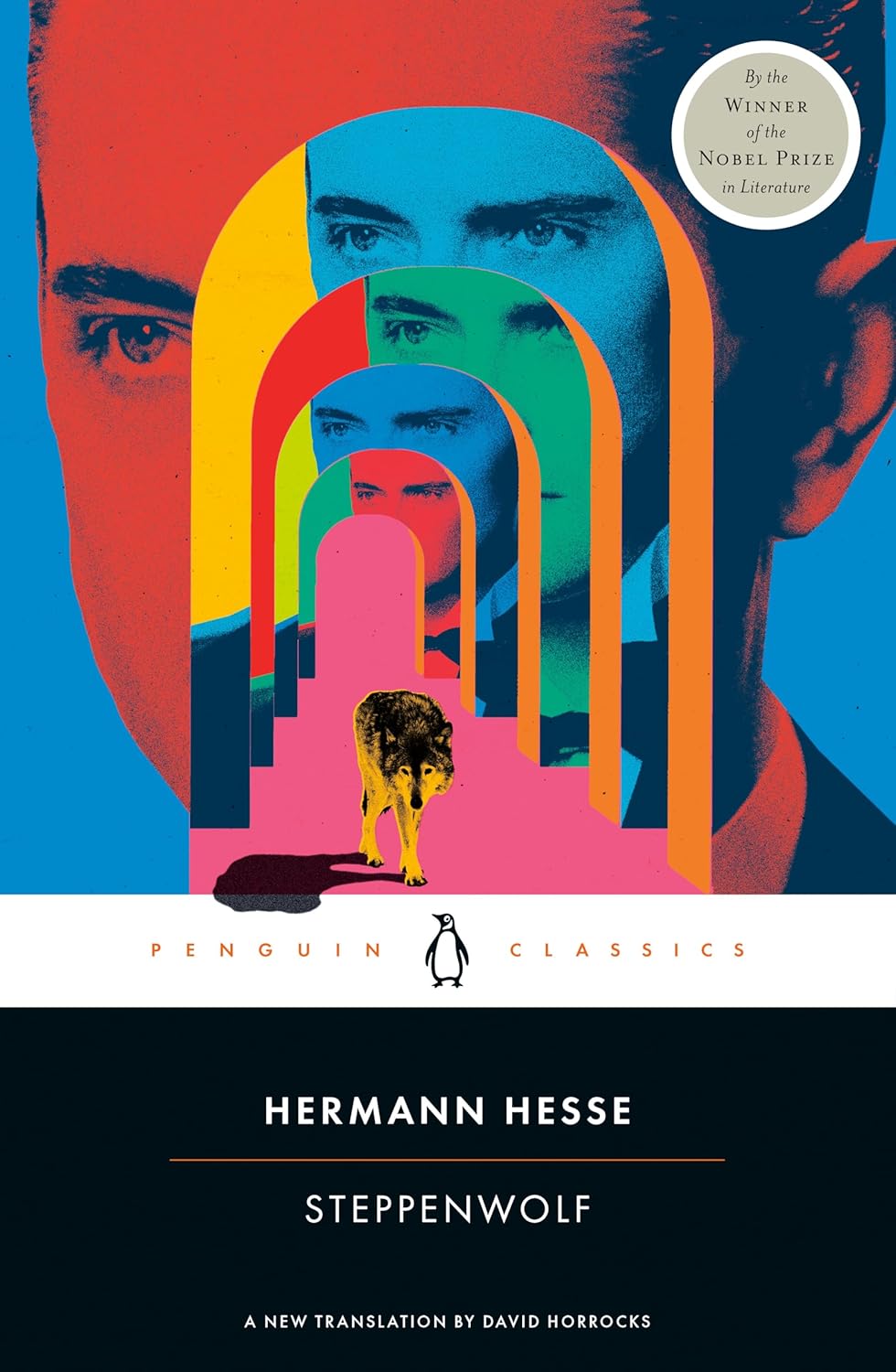
#1 — Steppenwolf — trans. David Horrocks (2012)
- Readability: High — restores colloquial directness and idiomatic precision.
- Accuracy: Very good — commissioned to replace the older text with modern clarity.
- Tone: Contemporary and precise, matching Hesse's mix of density and observation.
- Accessibility: Excellent for first-time readers.

Peter Weller's narration captures the introspective and haunting tone of 'Steppenwolf,' enhancing the philosophical depth and emotional complexity of Hesse's work.
Listen on Audible →Which translation is right for you?
- Choose Horrocks if you want the most contemporary, precise, and readable version for a first encounter with the novel.
- Choose Creighton if you want the historical texture of the translation through which Steppenwolf built its twentieth-century English reputation.
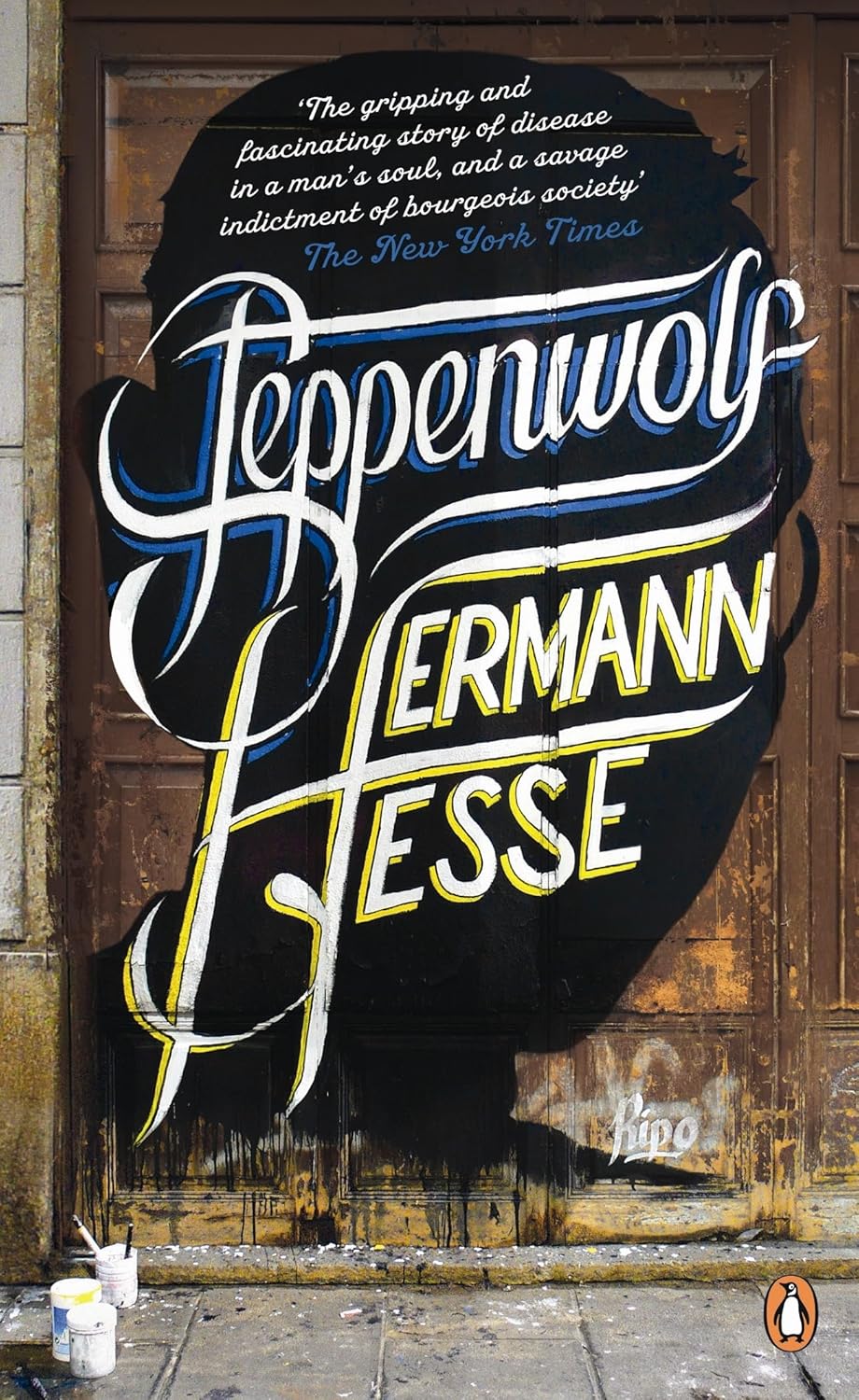
#2 — Steppenwolf — trans. Basil Creighton (1929, revised)
- Readability: Moderate — retains period literary phrasing from 1929.
- Accuracy: Good — fluent with Hesse's idiom but dated in places.
- Tone: Historical literary English with Weimar-era texture.
- Accessibility: Best for readers interested in reception history.
About the Translators
David Horrocks (2012, Penguin Classics): Professor Emeritus of German at the University of Exeter; his scholarly work includes studies of modern German literature and film. His Penguin Classics Steppenwolf was commissioned as a retranslation intended to replace Basil Creighton as the publisher's standard edition, with particular emphasis on restoring colloquial directness that had faded from the older text.
Basil Creighton (1929, Penguin Modern Classics): British translator and literary journalist; he translated several of Hesse's novels including Demian and Narcissus and Goldmund in the early years of Hesse's English reception. His Steppenwolf appeared two years after the German original and gave Hesse his first sustained English-language audience — a translation whose historical importance is inseparable from the novel's English-language identity.
Themes
The divided self as modern condition. Harry Haller believes himself to be two beings — a bourgeois intellectual and a Steppenwolf (wolf of the steppes), savage and undomesticated. The novel's "Treatise on the Steppenwolf," presented as a chapbook Harry receives and reads as though it was written specifically about him, complicates this binary: it argues that all human beings contain not two selves but many, and that Harry's particular tension is a special case of a universal fragmentation. The novel's psychological argument anticipates Jung's concept of the shadow.
Weimar Germany's cultural crisis. The novel is set in an unnamed German city in the mid-1920s — between the stabilization of the inflation and the Depression that would bring the Nazis to power. Harry Haller's contempt for the bourgeois culture around him — its nationalism, its spiritual posturing, its comfortable forgetting of the recent catastrophe — is also Hesse's critique of a Germany that had not processed what it had done and suffered in the First World War. The novel is a portrait of cultural disorientation experienced as personal psychological crisis.
Jazz, eros, and the embrace of life. Hermine, Maria, and Pablo — the denizens of the dance halls Harry initially despises — are the novel's counterargument to his ascetic intellectualism. The embrace of physical pleasure, of jazz, of laughter and the body, is presented not as degradation but as one form of the freedom Harry has denied himself. The Magic Theater in which the novel culminates is both drug-induced hallucination and allegorical truth — a space where Harry confronts the multiplicity of selves he has suppressed.
Key Characters
Harry Haller — the fifty-year-old intellectual who believes himself divided between civilized man and wolf. He is a music critic, a reader, a man of culture who is simultaneously disgusted by culture. His apartment is full of books; his life is a demonstration of their limitations. He is Hesse's most direct self-portrait.
Hermine — the young woman Harry meets in the dance hall, who takes over the direction of his life. She is his alter ego and his opposite — where Harry rejects everything, she accepts everything. The novel's revelation that Hermine may be a projection of Harry's unconscious is one of its central ambiguities.
Pablo — the saxophonist who runs the Magic Theater; a man of pure sensory pleasure without intellectual or spiritual pretension. He and Harry are presented as fundamental opposites who need each other — the body and the mind unable to function without the other.
Goethe and Mozart — appear in the Magic Theater as figures who laugh at Harry's pretensions to suffering. The great artists of German culture reveal themselves as playful and ironic rather than solemn, and Harry's Romantic suffering is gently and decisively deflated.
Recommended Sources
For further academic reading on Hesse and Steppenwolf:
- Monatshefte (University of Wisconsin) — the leading American journal for German literary studies; primary venue for Hesse scholarship in English.
- German Life and Letters (Wiley-Blackwell) — the leading British journal for German literature; essential for Steppenwolf in its Weimar cultural context.
- The German Quarterly (American Association of Teachers of German) — key for placing Steppenwolf in relation to the psychoanalytic currents of the 1920s and Hesse's larger philosophical project.
Which translation is right for you?
Choose Horrocks (Penguin Classics 2012) for a first reading — it is the more contemporary and precise version, commissioned to replace Creighton as the standard English text, and its colloquial directness matches Hesse's alternation between intellectual density and streetlevel observation. Choose Creighton (Penguin Modern Classics) if you want the translation through which the novel built its twentieth-century reputation, or if the historical texture of an early-century rendering feels appropriate to the novel's Weimar setting.
Frequently Asked Questions
What is Steppenwolf about?
Steppenwolf follows Harry Haller, a man who sees himself as divided between a civilized intellectual and a wild, untamed wolf. The novel explores his internal conflict and search for meaning in a society he feels alienated from.
Is Steppenwolf hard to read?
Steppenwolf can be challenging due to its philosophical depth and complex narrative structure. Horrocks's translation is more accessible for modern readers, while Creighton's version offers historical texture.
Which Steppenwolf translation is best?
Horrocks's 2012 Penguin Classics translation is the best choice for most readers. It restores colloquial directness and tonal precision that had faded from the older text.
Horrocks vs Creighton — which should I choose?
Choose Horrocks for a first reading because it is the more contemporary and precise version. Choose Creighton if you want the historical texture of the translation through which the novel built its twentieth-century reputation.
Which translation is easiest to read?
Horrocks is the easiest to read. His translation emphasizes colloquial directness and idiomatic precision that matches Hesse's alternation between intellectual density and street-level observation.
Which translation is most accurate?
Horrocks is the most accurate for modern readers. It was commissioned as a retranslation to restore the novel's original tonal registers after ninety years of use.
Should I read the 1929 Creighton translation or the modern Horrocks version?
Read Horrocks unless you specifically want the historical experience of the version that introduced Steppenwolf to English readers. Creighton remains valuable for scholars tracing the novel's reception history.
This guide is based on reading both translations and reviewing scholarly commentary. Last reviewed: June 2026.
As an Amazon Associate, I earn from qualifying purchases.
Looking for another classic? Browse all our translation guides →
Also reading Hesse? See our guide to the best Demian translation.
For another Hesse novel, our Siddhartha translation guide compares the leading modern editions.
Exploring German modernism? Compare the best Magic Mountain translations.
Thomas Mann's shorter masterpiece is covered in our Death in Venice translation guide.