Siddhartha: What It's About & Best Translation
Hermann Hesse's spiritual fable — one man's search for enlightenment, from Brahmin son to river ferryman
As an Amazon Associate, we earn from qualifying purchases.
Siddhartha follows the journey of a young man in ancient India who seeks spiritual enlightenment. Dissatisfied with traditional teachings, he explores various paths, ultimately finding wisdom by the river.
Translation Comparison at a Glance
| Translation | Readability | Accuracy | Tone | Best For |
|---|---|---|---|---|
| Bernofsky (2006) | High | Excellent | Incantatory, meditative | First-time readers, accuracy |
| Rosner (1951) | Very high | Good | Lyrical, expansive | Cultural history, familiarity |
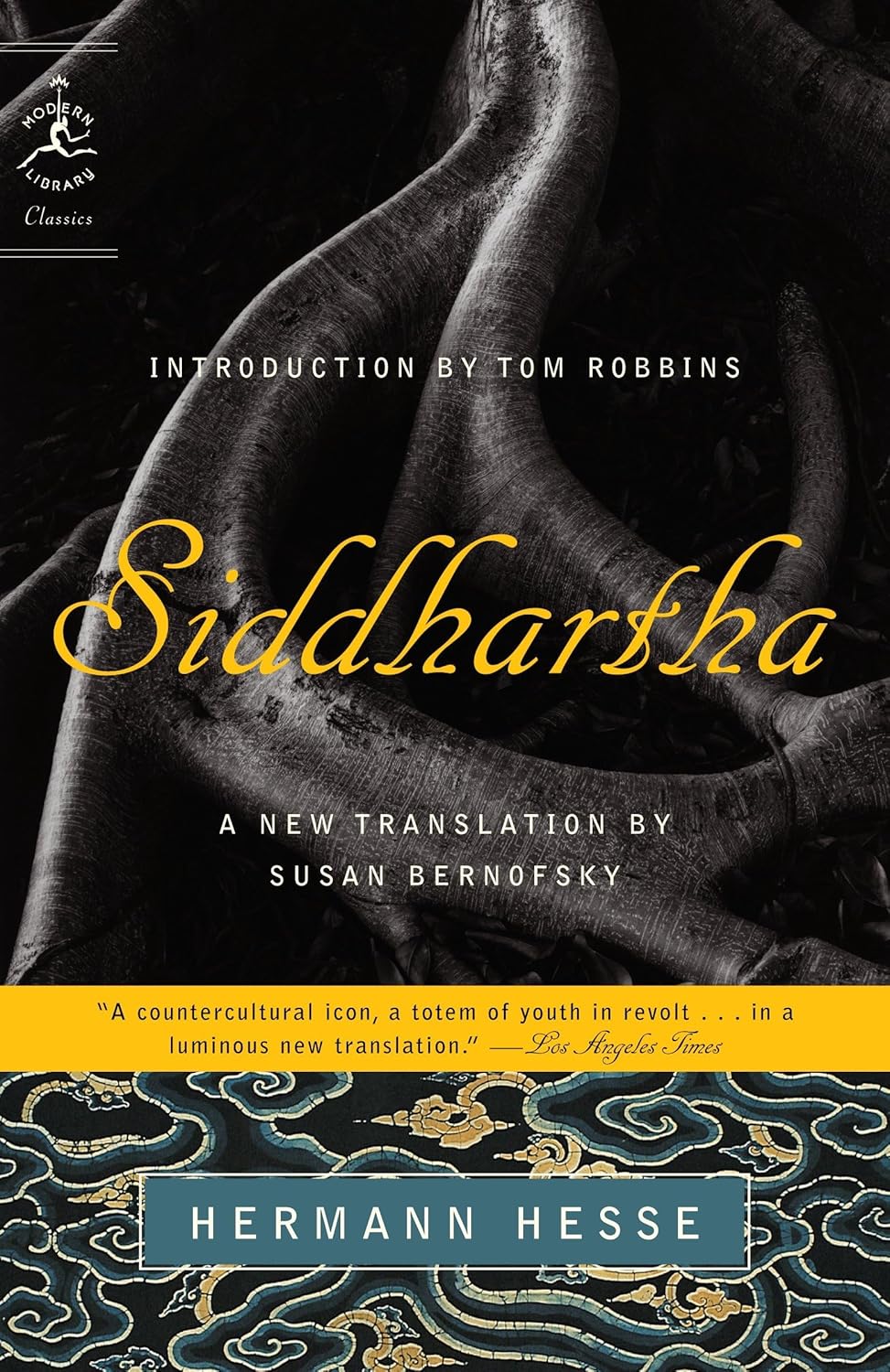
#1 — Siddhartha — trans. Susan Bernofsky (2006)
- Readability: High — shorter, rhythmically deliberate sentences.
- Accuracy: Excellent — restores Sanskrit-inflected cadence and consistent terminology.
- Tone: Meditative and incantatory, closer to sacred text.
- Accessibility: Ideal for first-time readers seeking Hesse's original voice.

Bamji's serene and introspective narration perfectly captures the spiritual journey of Siddhartha, complemented by Hesse's original poetic prose.
Listen on Audible →Which translation is right for you?
- Choose Bernofsky if you want the translation that most closely matches Hesse's original German register and meditative cadence.
- Choose Rosner if you want the version that shaped the novel's reception in English-speaking counterculture and carries the familiar mid-century lyrical style.
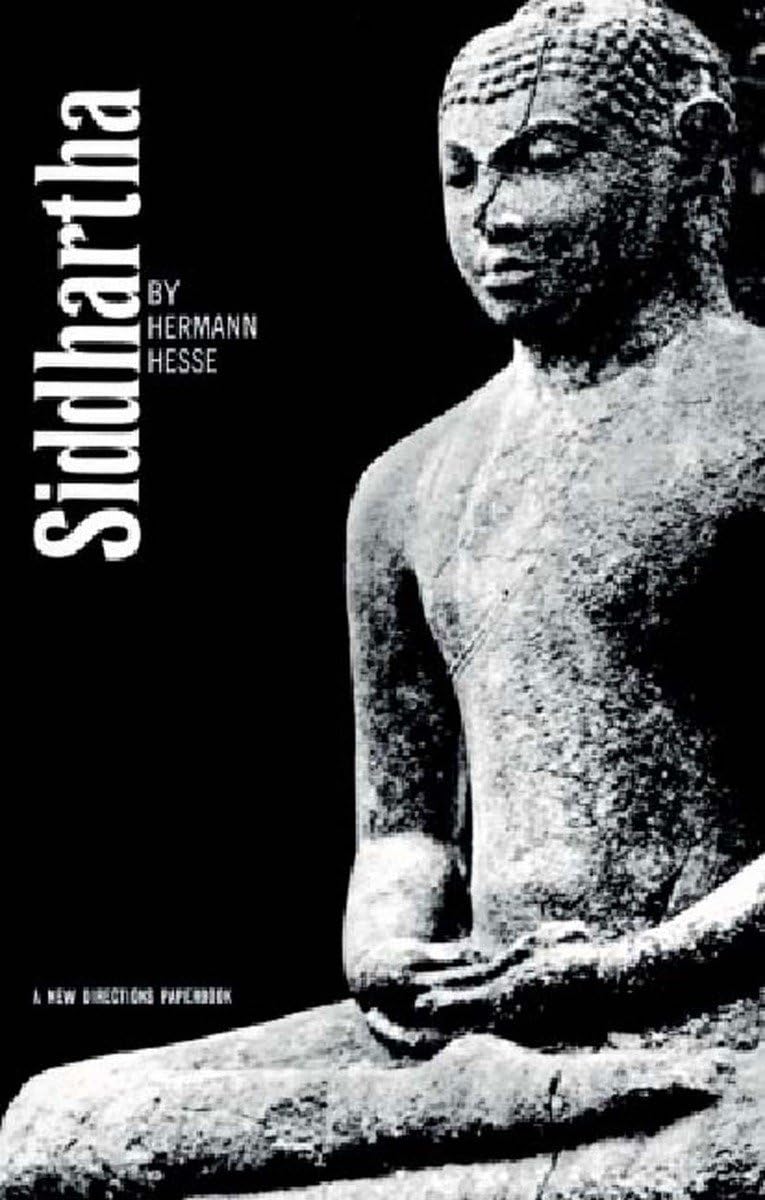
#2 — Siddhartha — trans. Hilda Rosner (1951)
- Readability: Very high — expansive and lyrical mid-century style.
- Accuracy: Good — shaped by the idioms of its era.
- Tone: Lyrical and moving, with a familiar literary warmth.
- Accessibility: Excellent for readers seeking the culturally historic version.
About the Translators
Susan Bernofsky (b. 1963, 2006, Modern Library): Professor of Literary Translation at Columbia; her translations include Kafka's The Metamorphosis, Hesse's Steppenwolf, and Robert Walser. Her 2006 Modern Library Siddhartha includes an introduction by Tom Robbins and was the first genuinely new English translation of the novel in over fifty years.
Hilda Rosner (1951, New Directions): The translator who introduced Siddhartha to the English-speaking world; her version has been in continuous print for over seventy years and is the translation through which the novel reached the counterculture of the 1960s and 1970s. Little biographical information about Rosner is in the public record — her work is her legacy.
Themes
Eastern thought filtered through Western Romanticism. Hesse was not a scholar of Indian religion but a passionate and unorthodox reader of it, and Siddhartha reflects this: the novel draws on Hinduism, Buddhism, and the Upanishads without being strictly faithful to any of them. His Siddhartha is not the historical Buddha but a separate seeker who encounters the Buddha and declines to follow him. The novel's argument — that truth cannot be transmitted by teaching, only found through living — is itself a Western Romantic idea in Eastern clothing.
Renunciation and its failure. Each stage of the novel enacts a different answer to the question of how to live: Siddhartha tries asceticism with the Samanas and finds it hollow; he tries sensual life with Kamala and wealth with Kamaswami and is nearly destroyed by them; he reaches the river and attempts suicide but cannot follow through. The novel proposes that every experience, including failure and degradation, is a necessary part of the path — that wisdom comes not from what you renounce but from what you have fully lived through.
The river as enlightenment. The novel's final section, in which Siddhartha becomes a ferryman alongside Vasudeva, presents the river as a teacher: it speaks all voices simultaneously, in every tense at once — the sound of everything being everything, which is Om. This image of enlightenment as the dissolution of the individual self into the totality of being is the novel's final and most purely Buddhist proposition.
Key Characters
Siddhartha — a Brahmin's son whose spiritual restlessness drives him through every form of life the novel depicts. He never becomes a follower; his defining characteristic is the refusal to accept any teacher's path as his own, including the Buddha's.
Govinda — Siddhartha's childhood friend and the novel's foil. Where Siddhartha seeks and wanders, Govinda follows: the Samanas, then the Buddha, whose devoted disciple he remains his entire life. His devotion is genuine, but the novel treats him gently as someone who found peace in following rather than searching.
Kamala — the courtesan who teaches Siddhartha about physical love and introduces him to the merchant Kamaswami. She is the most fully realised female character in the novel, and her death — from a snakebite, on her way to find Siddhartha in his old age — is the event that brings their son into the story.
Vasudeva — the ferryman who first carries Siddhartha across the river in his youth and whom Siddhartha finds again in middle age and lives with for decades. Vasudeva says very little; he listens to the river and transmits its teaching by example rather than instruction.
Recommended Sources
For further academic reading on Hesse and Siddhartha:
- Monatshefte (University of Wisconsin) — the leading American journal for German literary studies; substantial Hesse scholarship across several decades.
- German Life and Letters (Wiley-Blackwell) — the leading British journal for German literature; key venue for Hesse criticism in English.
- The German Quarterly (American Association of Teachers of German) — comprehensive German literary history; essential for placing Hesse in the context of Weimar-era literature and his relationship to Eastern philosophy.
Which translation is right for you?
Choose Bernofsky for what Hesse actually wrote — her Modern Library translation preserves the incantatory, Sanskrit-inflected quality of the German prose that the Rosner version softened into the idiom of its time. Choose Rosner if you want the translation that shaped the novel's cultural reception and carried it to several generations of English-speaking readers; its particular rhythms have become part of the book's history. If you have only read Rosner, reading Bernofsky reveals the same book sounding different — which is itself a kind of lesson about translation.
Frequently Asked Questions
What is Siddhartha about?
Siddhartha follows the journey of a young man in ancient India who seeks spiritual enlightenment. Dissatisfied with traditional teachings, he explores various paths, ultimately finding wisdom by the river.
Is Siddhartha hard to read?
Siddhartha is generally accessible, though Bernofsky's translation is more faithful to Hesse's original style, which some may find challenging. Rosner's version is more lyrical and easier for many readers.
Which Siddhartha translation is best?
Start with Susan Bernofsky's 2006 Modern Library translation. It restores the incantatory, Sanskrit-inflected quality of Hesse's prose that the older Rosner version softened.
Bernofsky vs Rosner — which should I choose?
Choose Bernofsky for the translation that most closely matches Hesse's original German register and meditative cadence. Choose Rosner if you want the version that shaped the novel's reception in English-speaking counterculture.
Which translation is easiest to read?
Rosner's 1951 version is slightly more expansive and lyrical in a mid-century literary style, making it very accessible to many readers.
Which translation is most accurate?
Bernofsky's translation is the most accurate to Hesse's original German, with shorter, more rhythmically deliberate sentences and consistent rendering of key Sanskrit terms.
Why are there only two major English translations of Siddhartha?
Rosner's 1951 version dominated for over fifty years; Bernofsky's 2006 translation was the first genuinely new English rendering, so most readers still encounter one of these two editions.
This guide is based on reading both translations and reviewing scholarly commentary. Last reviewed: June 2026.
As an Amazon Associate, I earn from qualifying purchases.
Looking for another classic? Browse all our translation guides →
If you're exploring Hermann Hesse, don't miss our guide to the best Demian translation.
Another essential Hesse novel is covered in our Steppenwolf translation guide.
For more German literature of the era, see our comparison of the best Magic Mountain translations.
Thomas Mann's shorter works are discussed in our Death in Venice translation guide.