Yoga Sutras: What It's About & Best Translation
The translation you choose shapes the practice you develop
As an Amazon Associate, we earn from qualifying purchases.
The Yoga Sutras of Patanjali is a foundational text of yoga philosophy, outlining the path to spiritual enlightenment through the practice of yoga. It presents the eight limbs of yoga, which guide practitioners in ethical conduct, physical postures, breath control, and meditation.
Translation Comparison at a Glance
| Translation | Readability | Accuracy | Tone | Best For |
|---|---|---|---|---|
| Satchidananda (1978) | High | Good | Warm, practical | Practitioners, teacher training |
| Bryant (2009) | Moderate | Excellent | Scholarly, comprehensive | Serious study, academics |
| Iyengar (1993) | High | Good | Body-centered, integrative | Iyengar practitioners |
| Hartranft (2003) | Very high | Very good | Concise, meditative | Meditators, Buddhist readers |
| Feuerstein (1979) | Moderate | Very good | Literal, historical | Comparative philosophy |
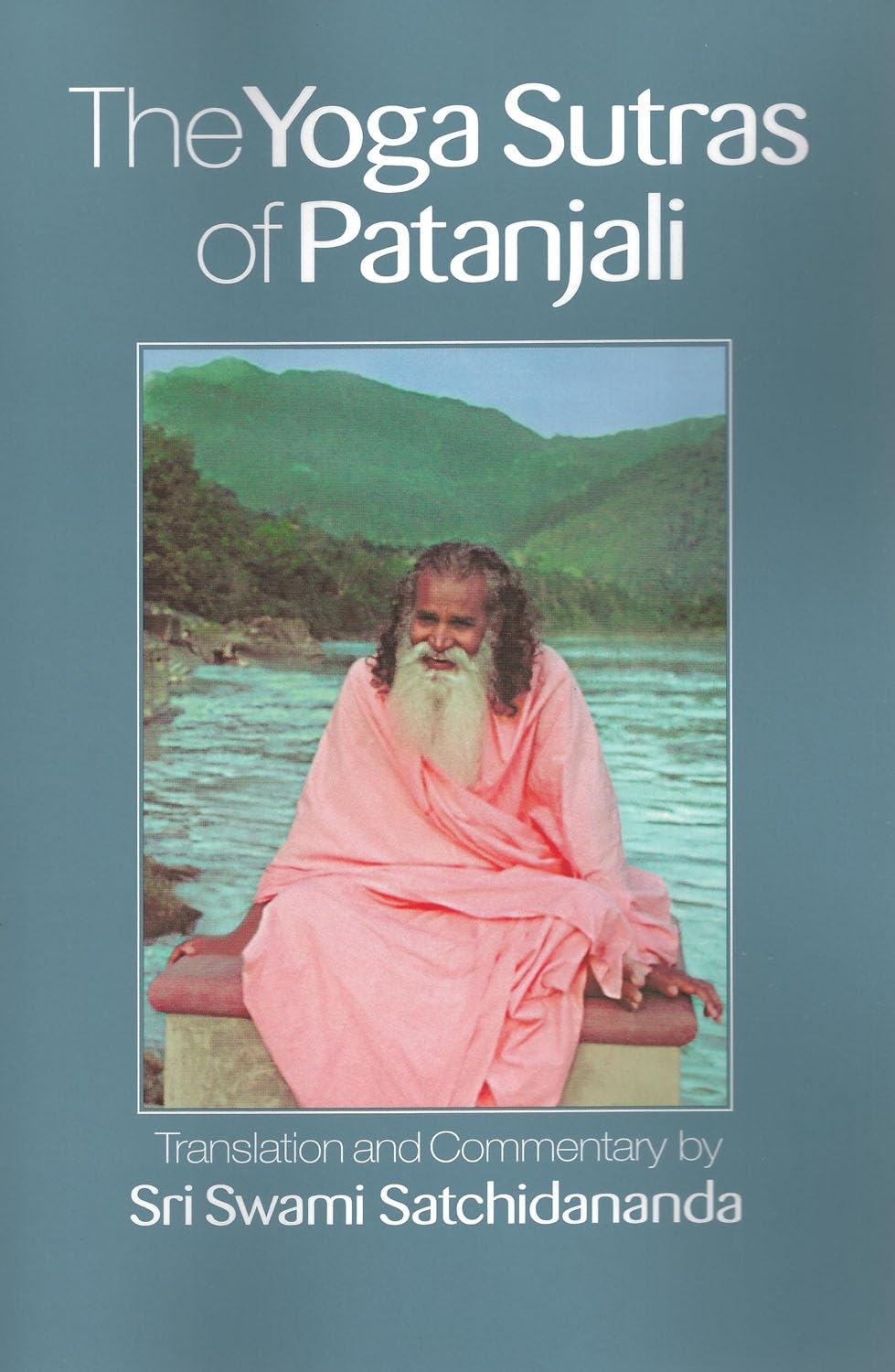
#1 — The Yoga Sutras of Patanjali — trans. & commentary Sri Swami Satchidananda (1978)
- Readability: Highly accessible with warm, practical commentary.
- Accuracy: Good; prioritizes usability over strict literalism.
- Tone: Rooted in lived practice, immediately applicable.
- Accessibility: Ideal first edition for yoga practitioners.
Which translation is right for you?
- Choose Satchidananda if you are a yoga practitioner approaching the sutras for the first time or training to teach.
- Choose Bryant if you want the full philosophical depth and the complete classical commentarial tradition.
- Choose Iyengar if you practice in the Iyengar tradition and want philosophy tied directly to asana experience.
- Choose Hartranft if you have a Buddhist meditation background and want parallels with Abhidharma.
- Choose Feuerstein if you are interested in comparative philosophy and historical context with Samkhya.
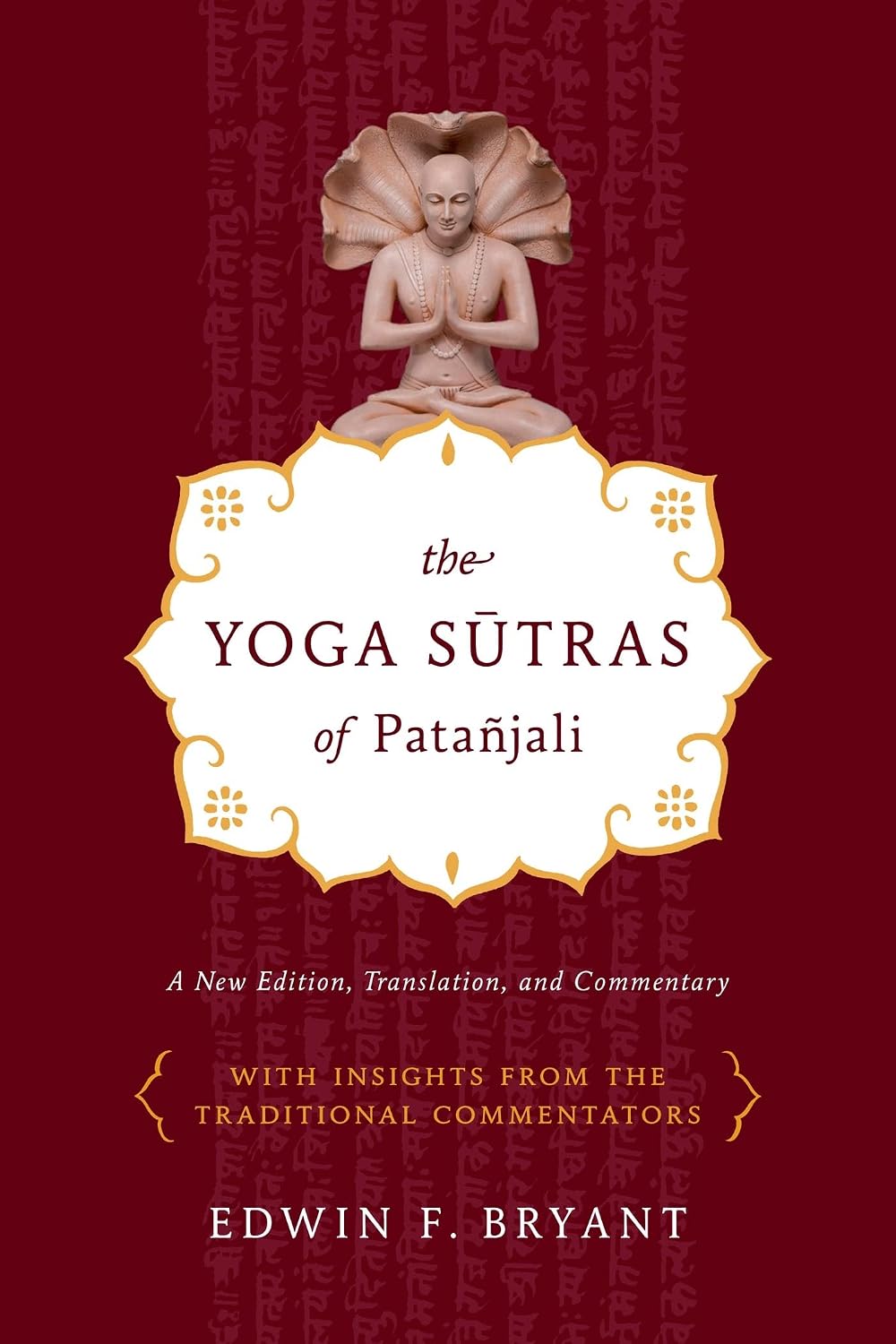
#2 — The Yoga Sutras of Patañjali — trans. & commentary Edwin F. Bryant (2009)
- Readability: Dense and demanding but clearly structured.
- Accuracy: Excellent; synthesizes the full classical tradition.
- Tone: Rigorous Indological scholarship with practice insight.
- Accessibility: Best for readers seeking complete philosophical depth.
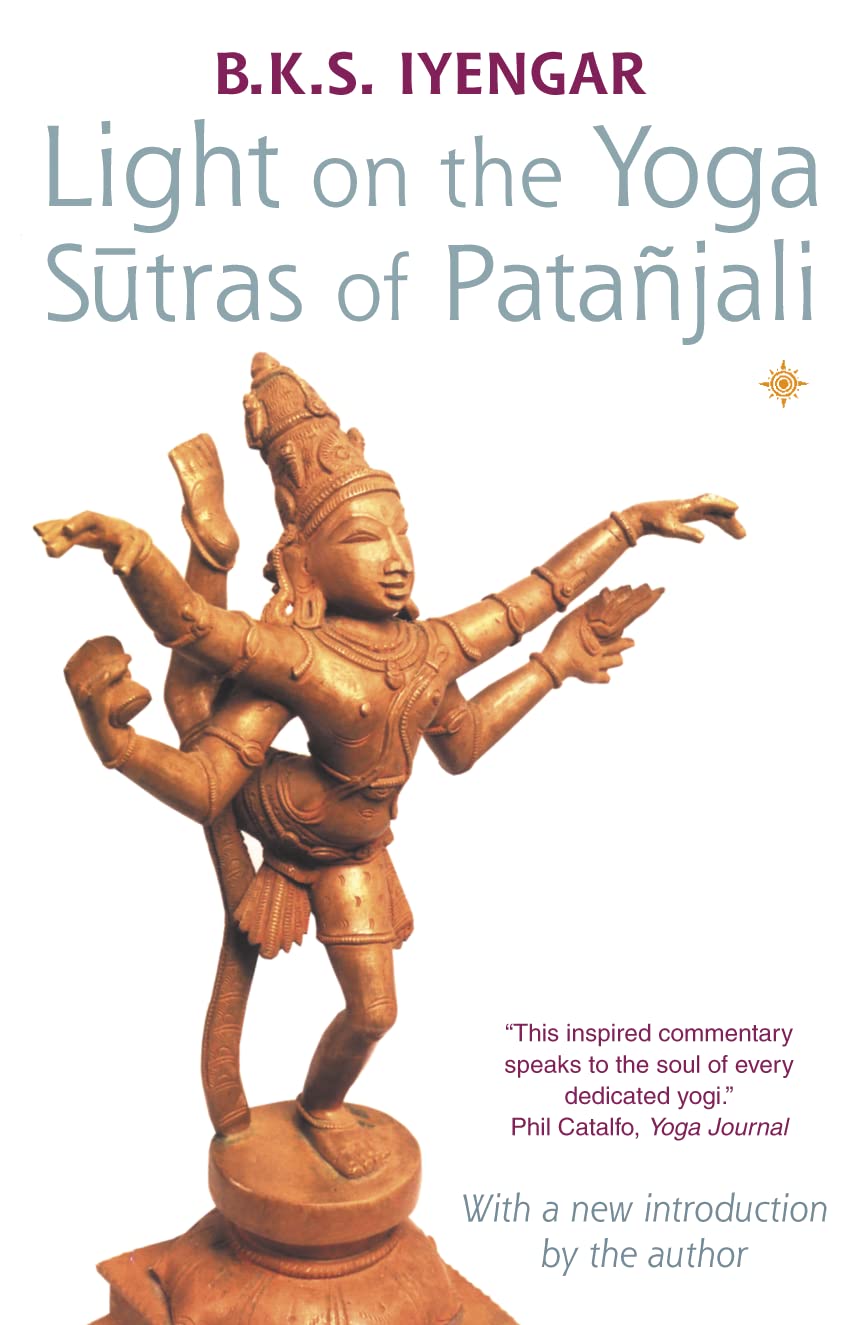
#3 — Light on the Yoga Sutras of Patanjali — B.K.S. Iyengar (1993)
- Readability: Clear and beautifully produced.
- Accuracy: Good within its tradition-specific lens.
- Tone: Body-centered, tying philosophy to physical practice.
- Accessibility: Revelatory for Iyengar students, narrower for others.
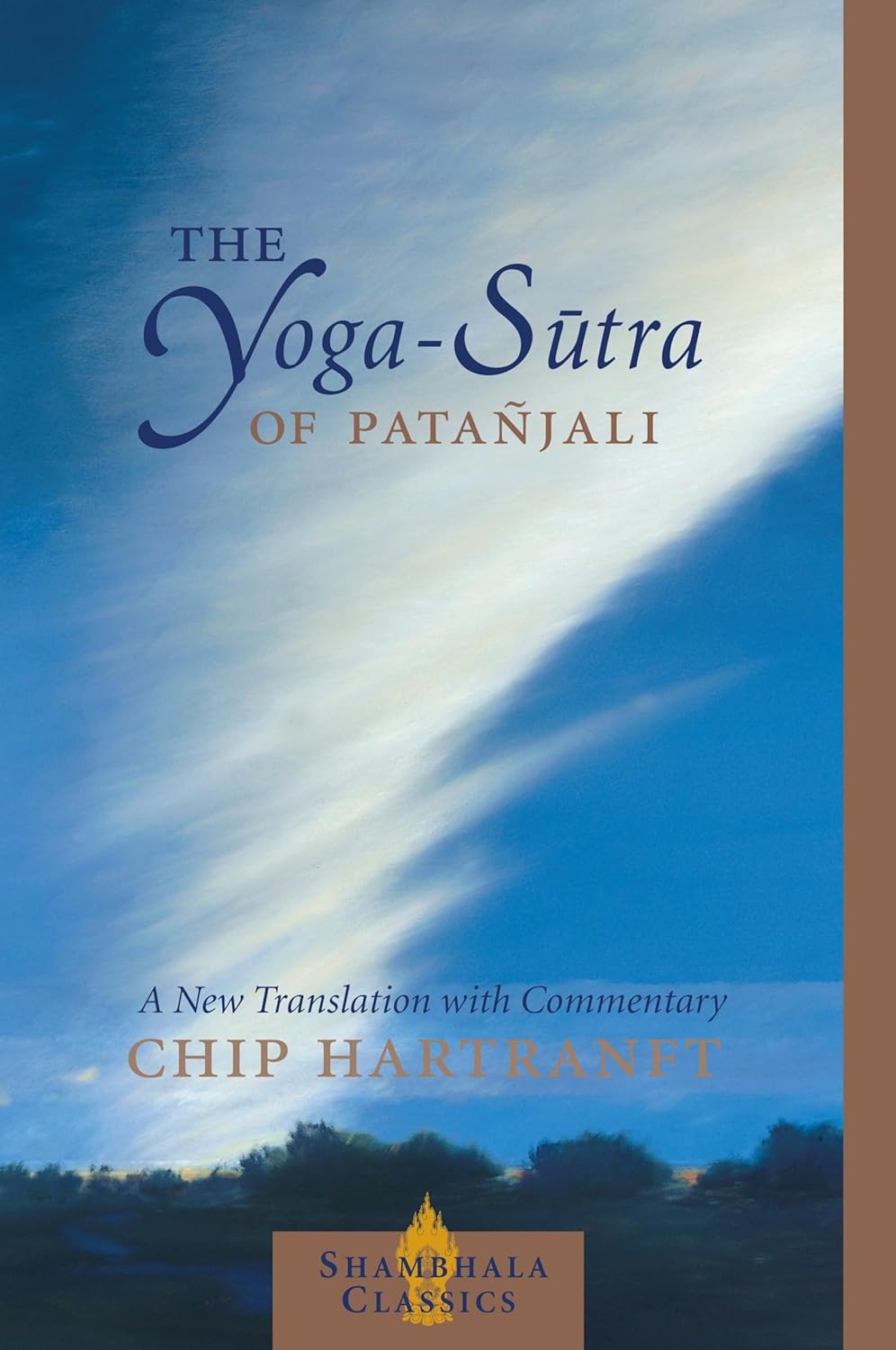
#4 — The Yoga-Sutra of Patanjali — trans. & commentary Chip Hartranft (2003)
- Readability: Most concise scholarly edition, under 150 pages.
- Accuracy: Very good with precise philosophical distinctions.
- Tone: Insight-meditation lens with Buddhist parallels.
- Accessibility: Ideal for readers with existing meditation experience.
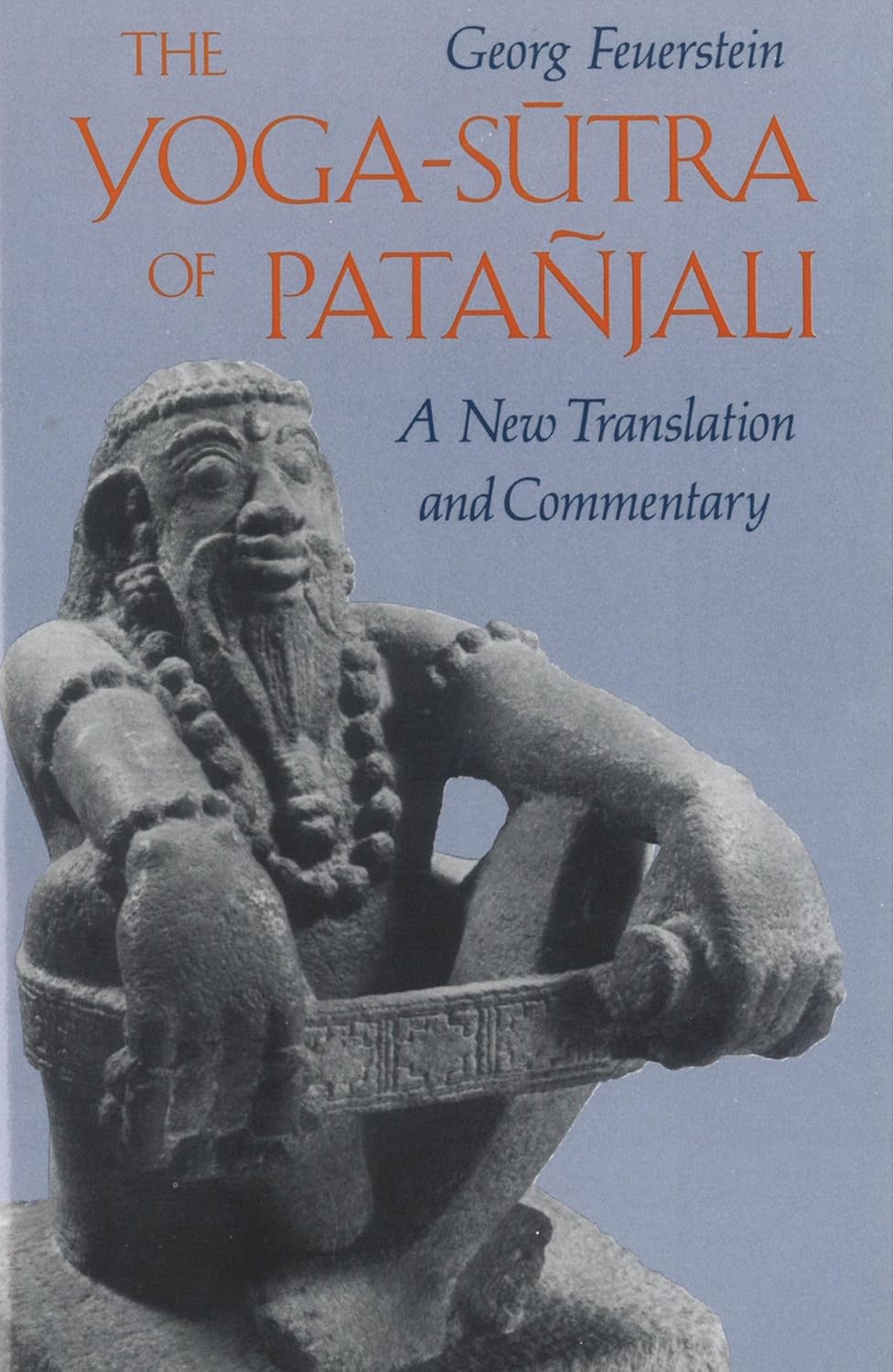
#5 — The Yoga-Sutra of Patañjali — trans. & commentary Georg Feuerstein (1979)
- Readability: More literal, occasionally difficult English.
- Accuracy: Very good; stays close to the Sanskrit.
- Tone: Philological and historically contextual.
- Accessibility: Best used alongside another edition for context.
About the Translators
Swami Satchidananda (Integral Yoga Publications, 1978): A student of Swami Sivananda and one of the major transmitters of yoga to the West — he opened the Woodstock festival in 1969 with a blessing and founded Integral Yoga International. His commentary on the Yoga Sutras is rooted in fifty years of lived practice, and this is its primary value: the translation is accessible rather than strictly literal, but the commentary makes the text immediately applicable to meditation and daily life. The most widely used edition in yoga teacher training programs worldwide.
Edwin F. Bryant (North Point Press, 2009): Professor of Hindu Religion and Philosophy at Rutgers University and one of the foremost Indological scholars working in English, with major works on Krishna, Vedic culture, and the history of yoga. His commentary method is unique among English editions: for each sutra, he provides his own translation followed by a synthesis of the major classical Sanskrit commentaries — from Vyasa through Vacaspati Misra to Vijnanabhikshu — so the reader encounters not one interpreter's view but the entire classical commentarial tradition mapped and explained in English.
B.K.S. Iyengar (Thorsons, 1993): The founder of Iyengar yoga and one of the most influential yoga teachers of the twentieth century; his commentary is inseparable from his decades of physical practice, consistently relating Patanjali's philosophical categories to the experience of the body in asana and pranayama. Essential for practitioners within the Iyengar tradition; more constrained for readers outside it.
Chip Hartranft (Shambhala Classics, 2003): The most concise scholarly translation, presented in under 150 pages; distinctive for its explicit engagement with Buddhist psychology and the Abhidharma tradition, making it uniquely useful for meditators who approach the Sutras from a Buddhist background.
Georg Feuerstein (Inner Traditions, 1979): A prolific Western scholar of yoga and Indian philosophy; his metrically literal translation and historically oriented commentary emphasise comparative philosophy and the relationship of the Yoga Sutras to Samkhya, early Buddhism, and related Indian philosophical schools.
Themes
Chitta vritti nirodha. The cessation of mental fluctuations — the quieting of the restless, self-generating activity of the mind — is Patanjali's definition of yoga (Sutra I.2). The entire system is organised around this goal and the systematic means of approaching it. What you are reading when you read the Yoga Sutras is a complete map of the mind and its tendencies, and a systematic method for transforming them.
The eight limbs. Ashtanga — the eight-limbed path — is the Sutras' structural contribution to yoga practice: from ethical conduct (yama and niyama) through posture (asana) and breath control (pranayama) to the interiorising practices of withdrawal (pratyahara), concentration (dharana), meditation (dhyana), and absorption (samadhi). This systematic framework has shaped the practice of yoga globally.
The three levels of samadhi. The goal of the system is not trance or ecstasy but a permanent transformation of consciousness — a state in which the fluctuations of the mind have ceased and the seer rests in its own nature. Patanjali maps multiple stages of this absorption with philosophical precision, distinguishing states that earlier and later traditions often conflate.
The aphoristic form as teaching method. Each sutra is a compressed seed requiring a teacher's unpacking through commentary. A bare translation without commentary is nearly useless: what you are really choosing is a translator-commentator pair whose interpretation will shape how you understand the entire system. This is why the choice of edition matters more for the Yoga Sutras than for almost any other ancient text.
Key Characters
Patanjali — the compiler and systematiser; almost entirely unknown as a historical figure; probably organised and codified existing meditation traditions rather than originating them. Identified in some Hindu traditions with a mythological figure — a serpent deity who descended to earth to teach grammar, medicine, and yoga — but the historical person is irrecoverable. His voice in the sutras is aphoristic, precise, and impersonal.
Vyasa — the first and most important Sanskrit commentator on the Sutras; his Yoga Bhashya was written so soon after Patanjali that it is considered inseparable from the text itself. No one reads the Yoga Sutras seriously without Vyasa. Bryant's edition is the most thorough English presentation of his commentary.
Vacaspati Misra — the ninth-century scholar whose Tattvavaisharadi is the standard subcommentary on Vyasa's Yoga Bhashya; the second major layer of interpretation and the one through which most subsequent Sanskrit scholarship has read Patanjali. Bryant synthesises his arguments throughout the English commentary.
Recommended Sources
For further reading on Patanjali and the Yoga Sutras:
- Edwin Bryant's own further work — his interviews and essays on the Yoga Sutras are widely available online and extend the arguments of his edition in accessible form.
- Mikel Burley, Classical Sāṃkhya and Yoga: An Indian Metaphysics of Experience (Routledge, 2007) — the best English-language philosophical introduction to the tradition within which Patanjali works; essential for understanding the metaphysical background of the Sutras.
- Journal of Indian Philosophy (Springer) — the primary English-language venue for current scholarship on classical Indian philosophy, including the Yoga and Samkhya traditions.
For practitioners approaching the Yoga Sutras for the first time, Satchidananda's edition is the right choice — widely used in teacher training, warm and accessible in its commentary, and rooted in lived practice. For serious scholars who want the full philosophical depth, Bryant's North Point Press edition is unmatched: it is the most complete and rigorous presentation of the classical commentarial tradition in English. Hartranft's Shambhala edition is the ideal choice for readers with a Buddhist meditation background who want to understand the parallels and differences with the Abhidharma tradition.
Frequently Asked Questions
What is Yoga Sutras about?
The Yoga Sutras of Patanjali is a foundational text of yoga philosophy, outlining the path to spiritual enlightenment through the practice of yoga. It presents the eight limbs of yoga, which guide practitioners in ethical conduct, physical postures, breath control, and meditation.
Is Yoga Sutras hard to read?
The Yoga Sutras can be challenging due to its aphoristic style. Satchidananda's translation is the most accessible, while Bryant's offers depth for serious study. Hartranft's concise edition is also readable for those with a meditation background.
Which Yoga Sutras translation is best?
Swami Satchidananda's translation is the primary recommendation for practitioners. It is the most widely used in yoga communities worldwide, the commentary is warm and accessible without being superficial, and it has introduced more English-speaking students to the Yoga Sutras than any other edition. For serious scholars, Edwin Bryant's edition is unmatched.
Satchidananda vs Bryant — which should I choose?
Choose Satchidananda if you are a yoga practitioner or in teacher training. Choose Bryant if you want the full philosophical depth and the complete classical commentarial tradition mapped and explained in English.
Which translation is easiest to read?
Satchidananda's edition is the most accessible for first-time readers. Hartranft's concise volume is also highly readable for those with a meditation background.
Which translation is most accurate?
Bryant's scholarly edition is unmatched for accuracy and depth, providing a synthesis of the major classical Sanskrit commentaries for each sutra.
Why does commentary matter more than the translation itself for the Yoga Sutras?
The sutras are aphoristic by design — each one is a compressed seed that requires unpacking through commentary. A bare translation without commentary is nearly useless, so the translator-commentator pair shapes how you understand the entire system.
This guide is based on reading all 5 translations and reviewing scholarly commentary. Last reviewed: June 2026.
As an Amazon Associate, I earn from qualifying purchases.
Looking for another classic? Browse all our translation guides →
Readers exploring Sanskrit philosophy often turn next to our guide to the best Bhagavad Gita translations.
For another foundational Eastern text, see our comparison of the best Tao Te Ching translations.
If you're interested in classical philosophy more broadly, our Republic translation guide compares the leading Plato editions.
Or explore our guide to the best Meditations translations for another concise ancient wisdom text.