Beowulf: What It's About & Best Translation
The oldest story in English, and each translator makes a different world of it
As an Amazon Associate, we earn from qualifying purchases.
Beowulf is an epic poem about the heroic deeds of Beowulf, a Geatish warrior who battles the monster Grendel, Grendel's mother, and later a dragon. It explores themes of heroism, loyalty, and the struggle between good and evil.
Translation Comparison at a Glance
| Translation | Readability | Accuracy | Tone | Best For |
|---|---|---|---|---|
| Heaney (2000) | High | Very good | Living, alliterative, physical | First reading, most readers |
| Tolkien (2014) | Moderate | Excellent | Archaic, literal, scholarly | Students, Tolkien fans |
| Headley (2020) | High | Good | Contemporary, ironic, bold | Second reading, gender focus |
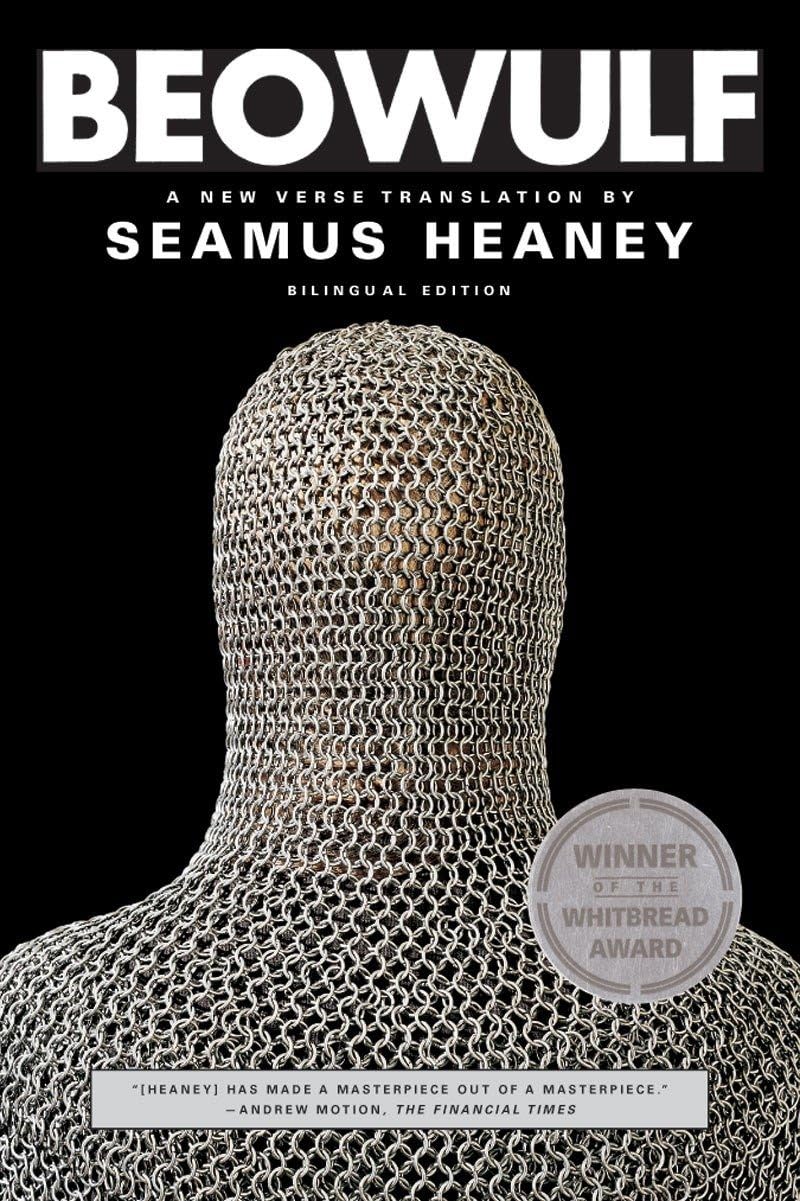
#1 — Beowulf — trans. Seamus Heaney (2000)
- Readability: High — living, alliterative lines with physical weight.
- Accuracy: Very good — preserves oral performance feel.
- Tone: Dramatically alive, echoing rural Ulster cadences.
- Accessibility: Excellent for first-time readers; bilingual edition ideal.

George Guidall's commanding and nuanced narration perfectly complements Seamus Heaney's modern yet faithful translation, making this audiobook the definitive listening experience for Beowulf.
Listen on Audible →Which translation is right for you?
- Choose Heaney if you want the most dramatically alive version for a first reading.
- Choose Tolkien if you are interested in a more archaic, literal, scholarly approach or Tolkien's own work.
- Choose Headley if you want a bold contemporary lens, especially on gender and performance.
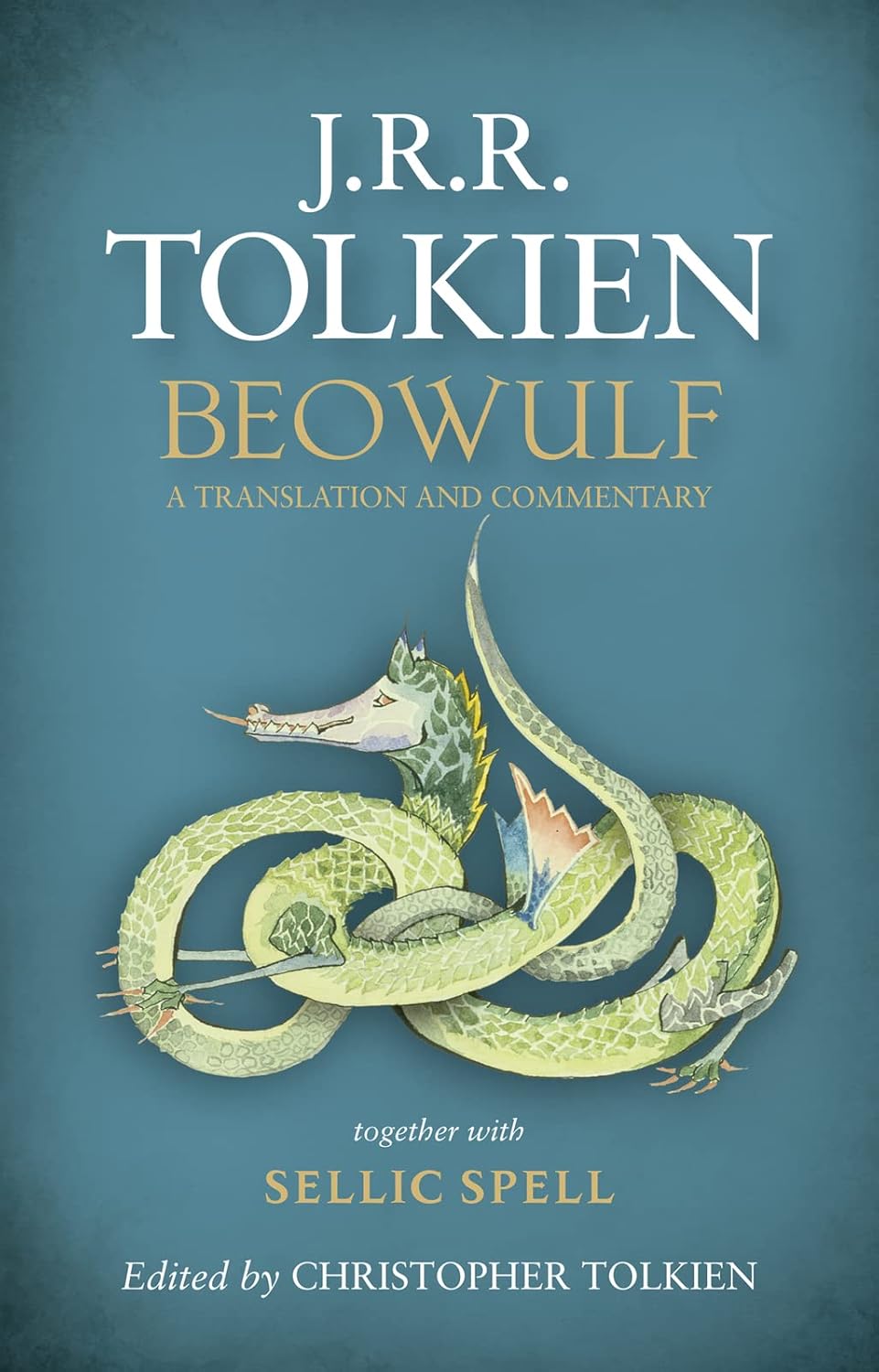
#2 — Beowulf: A Translation and Commentary — trans. J.R.R. Tolkien (2014)
- Readability: Moderate — deliberately archaic and literal.
- Accuracy: Excellent — reflects decades of scholarly work.
- Tone: Norse and Anglo-Saxon in feel, not modernized.
- Accessibility: Best after Heaney; rich scholarly apparatus.
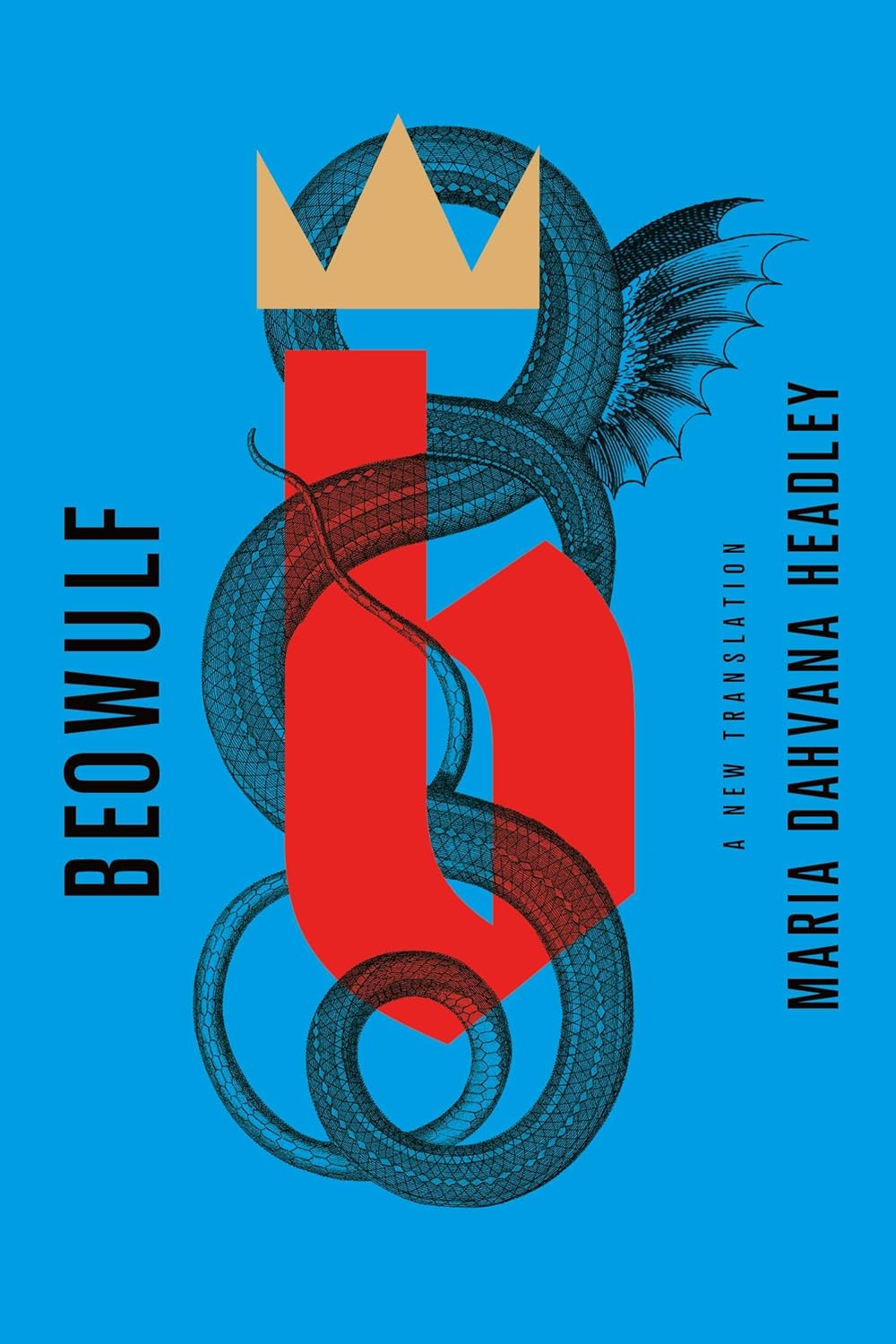
#3 — Beowulf: A New Translation — trans. Maria Dahvana Headley (2020)
- Readability: High — mixes colloquial and formal registers.
- Accuracy: Good — bold interpretive choices.
- Tone: Contemporary, ironic, performance-oriented.
- Accessibility: Best as a second or third reading.
About the Translators
Seamus Heaney (1939–2013, 2000, W. W. Norton): Irish poet, Nobel laureate 1995. His other translations include Sophocles' Philoctetes (The Cure at Troy) and a rendering of Book VI of Virgil's Aeneid. His Beowulf won the Whitbread Book of the Year and reached an audience far larger than any previous English version of the poem.
J. R. R. Tolkien (1892–1973, published 2014, HarperCollins): Rawlinson and Bosworth Professor of Anglo-Saxon at Oxford 1925–1945; his 1936 essay "Beowulf: The Monsters and the Critics" is the most influential single piece of scholarship on the poem. He translated Beowulf but chose not to publish it; the translation appeared in 2014, edited by his son Christopher Tolkien, forty-one years after his death.
Maria Dahvana Headley (b. 1977, 2020, MCD/Farrar Straus Giroux): American novelist and playwright; author of The Mere Wife (2018), a feminist novel retelling Beowulf from Grendel's mother's point of view. Her translation is the first by a woman, and she brought a performance-oriented approach to the text informed by her background in theatrical directing.
Themes
Glory and its limits. The heroic code of Beowulf demands that a warrior earn fame — by fighting monsters, by protecting his people, by dying bravely if necessary — and that his fame survive him in story and song. But the poem is also aware that fame is cold comfort. Beowulf defeats Grendel and Grendel's mother; thirty years later he fights the dragon and dies of his wounds. His thanes flee in fear. Only one young warrior, Wiglaf, stays. The poem holds the heroic code and its inadequacy simultaneously, and neither cancels the other.
The monster and the edge of the world. Grendel and his mother live "on the moors, among the fen and wasteland," outside the society of the hall. The poem's monsters are not simply evil — they are what exists at the boundary of the human world, the darkness beyond the fire, the cold that comes in when the hall falls silent. The poem describes Grendel as a descendant of Cain, but his enmity for the Danes is also a response to their celebration — he hates the joy he is excluded from.
Elegy. Beowulf is a deeply elegiac poem. By the time of its composition, the world it describes was already gone; the poet is looking back at a lost heroic age and finding in it both admiration and sorrow. The tone of the poem's last section — the dragon fight, Beowulf's death, his people's fear of what comes next — is unmistakably autumnal. The poem's last word, "lofgeornost" (most eager for praise), functions simultaneously as tribute and epitaph.
Key Characters
Beowulf — Geatish warrior who volunteers to help the Danish king Hrothgar, kills Grendel and then Grendel's mother, and returns to rule the Geats for fifty years before dying in battle with a dragon. He is the poem's ethical ideal: strong, loyal, generous, boastful in the convention of his world, and fatally brave.
Hrothgar — king of the Danes, whose great mead-hall Heorot has been raided by Grendel for twelve years. He is old and unable to fight; his need for Beowulf and his gratitude to him are the poem's occasion. His "sermon" to Beowulf on the dangers of pride is one of the most memorable passages in the poem.
Grendel — the monster who raids Heorot. He is enormous, almost human, and filled with hatred for the noise of feasting and song. His death at Beowulf's hands is the poem's first major event; his descent into the mere to die is one of its most affecting moments.
Grendel's mother — unnamed in the poem, known only by relation. She is not simply a monster but a grieving mother who comes to avenge her son's death. The underwater mere she inhabits — lit by submerged fires, home to sea-serpents — is the poem's uncanny center.
Wiglaf — the one thane who stands by Beowulf during the dragon fight. His loyalty, and his anguished speech to the thanes who fled, is the poem's final statement on what the heroic code asks and what it reveals about those who cannot meet it.
Recommended Sources
For further academic reading on Beowulf and Old English literature:
- Anglo-Saxon England (Cambridge University Press) — the primary journal for scholarship on the Old English language and literature; essential for Beowulf textual criticism.
- Studies in Philology (University of North Carolina Press) — major venue for Old English literary scholarship; decades of Beowulf criticism across every interpretive school.
- PMLA (Modern Language Association) — key venue for comparative and theoretical readings of Beowulf in relation to world epic tradition.
Which translation is right for you?
Choose Heaney (Norton) for a first reading — it is the most dramatically alive version and the one that will make the poem feel like a living thing rather than a museum piece; the bilingual format, with Old English on facing pages, is ideal. Choose Tolkien (HarperCollins) after Heaney — his version is more archaic and literal, and reading it alongside his 1936 essay "Beowulf: The Monsters and the Critics" is a genuinely illuminating combination. Choose Headley (MCD) as a third reading that challenges every assumption the earlier translations share, particularly regarding gender and performance.
Frequently Asked Questions
What is Beowulf about?
Beowulf is an epic poem about the heroic deeds of Beowulf, a Geatish warrior who battles the monster Grendel, Grendel's mother, and later a dragon. It explores themes of heroism, loyalty, and the struggle between good and evil.
Is Beowulf hard to read?
Beowulf can be challenging due to its archaic language and poetic form. Heaney's translation is the most accessible for modern readers, while Tolkien's is more literal and scholarly. Headley's version offers a contemporary take.
Which Beowulf translation is best?
The Seamus Heaney translation is the essential starting point. It is the translation that has brought more readers to Beowulf than any other version in the past century, and it earns that readership honestly.
Heaney vs Tolkien — which should I choose?
Choose Heaney for a first reading as the most dramatically alive version. Choose Tolkien after Heaney for a more archaic and literal take, especially if interested in Tolkien's own fantasy world.
Which translation is easiest to read?
Heaney's version is the most readable for modern audiences while preserving the poem's alliterative weight and dramatic force.
Which translation is most accurate?
Tolkien's translation is more archaic and literal than Heaney's, reflecting his lifelong scholarly engagement with the Old English text.
Is Maria Dahvana Headley's Beowulf translation worth reading?
Headley's bold, contemporary version is ideal as a second or third reading, especially for readers interested in gender, performance, and modern idiom.
This guide is based on reading all 3 translations and reviewing scholarly commentary. Last reviewed: June 2026.
As an Amazon Associate, I earn from qualifying purchases.
Looking for another classic? Browse all our translation guides →
Readers drawn to ancient epics should also see our guide to the best Iliad translations.
For another foundational heroic poem, compare the top Gilgamesh translations in English.
If you enjoyed Beowulf's medieval world, our Aeneid translation guide compares Ruden, Ferry, and Ahl.
Those exploring long-form verse epics may also want our recommendations for the best Divine Comedy translations.