Tale of Genji: What It's About & Best Translation
The world's first novel — written by a woman at the Japanese imperial court a thousand years ago
As an Amazon Associate, we earn from qualifying purchases.
The Tale of Genji is a classic work of Japanese literature that follows the life and romantic exploits of Hikaru Genji, the son of an emperor. Set during the Heian period, the novel explores themes of love, politics, and the fleeting nature of life through Genji's relationships and the courtly life he navigates.
Translation Comparison at a Glance
| Translation | Readability | Accuracy | Tone | Best For |
|---|---|---|---|---|
| Tyler (2001) | Moderate | Excellent | Elliptical, faithful | Scholarly reading |
| Seidensticker (1976) | High | Very good | Polished, confident | First-time readers |
| Waley (1925–1933) | High | Fair | Melancholy, Bloomsbury | Translation history |
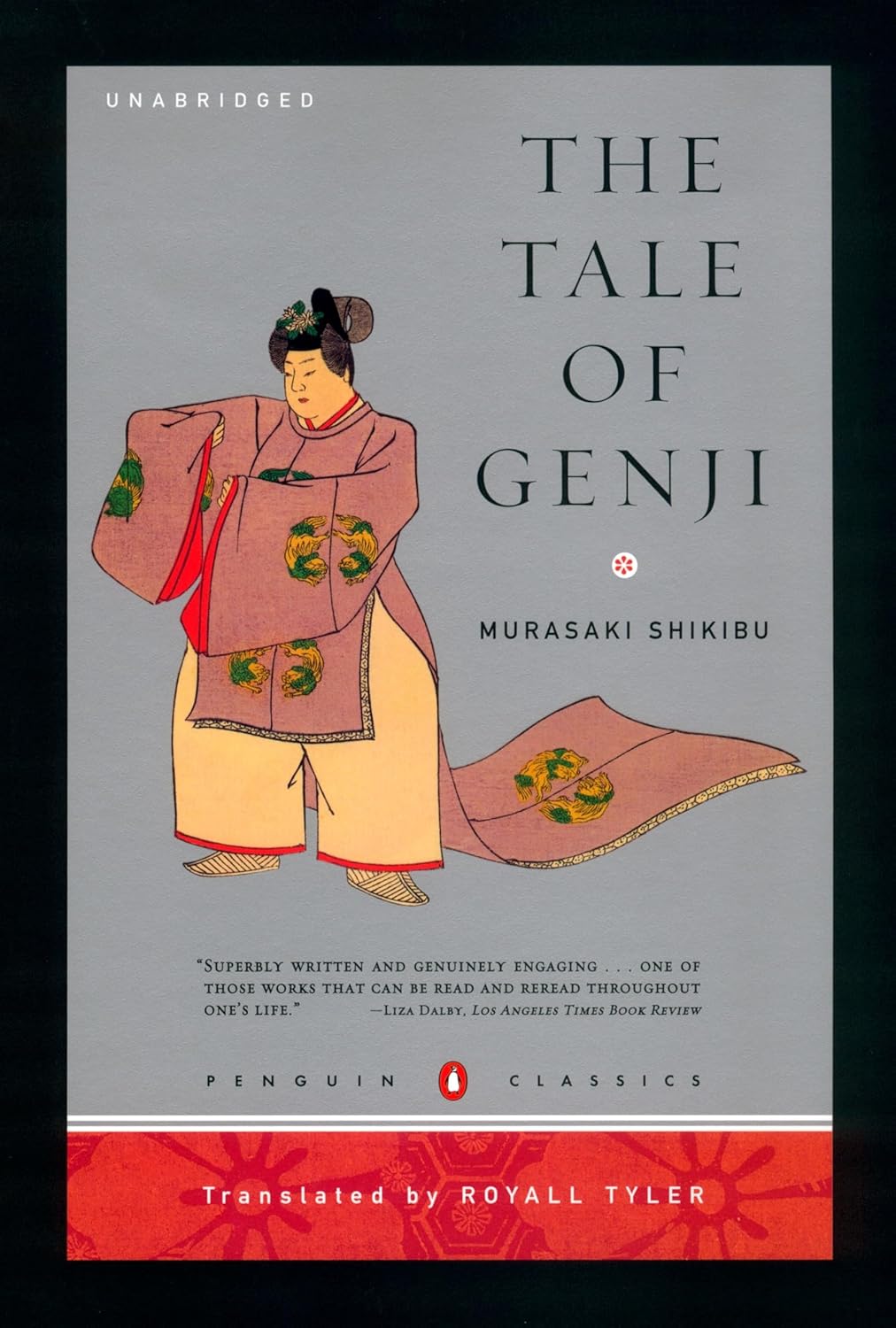
#1 — The Tale of Genji — trans. Royall Tyler (2001)
- Readability: Moderate — requires attentive reading to follow the indirection.
- Accuracy: Excellent — preserves ambiguity and elliptical quality with over a thousand notes.
- Tone: Faithful to Heian court conventions and understatement.
- Accessibility: Best for readers willing to engage deeply with the original style.

Brian Nishii's nuanced narration captures the elegance and emotional depth of 'The Tale of Genji,' while Tyler's translation preserves the poetic beauty and cultural richness of the original text.
Listen on Audible →Which translation is right for you?
- Choose Tyler if you want the scholarly standard with maximum fidelity to the original's ambiguity and indirection.
- Choose Seidensticker if you want the most fluid, readable literary experience for a first encounter.
- Choose Waley if you are interested in the history of the novel's reception in the West and one of the great feats of English literary translation.
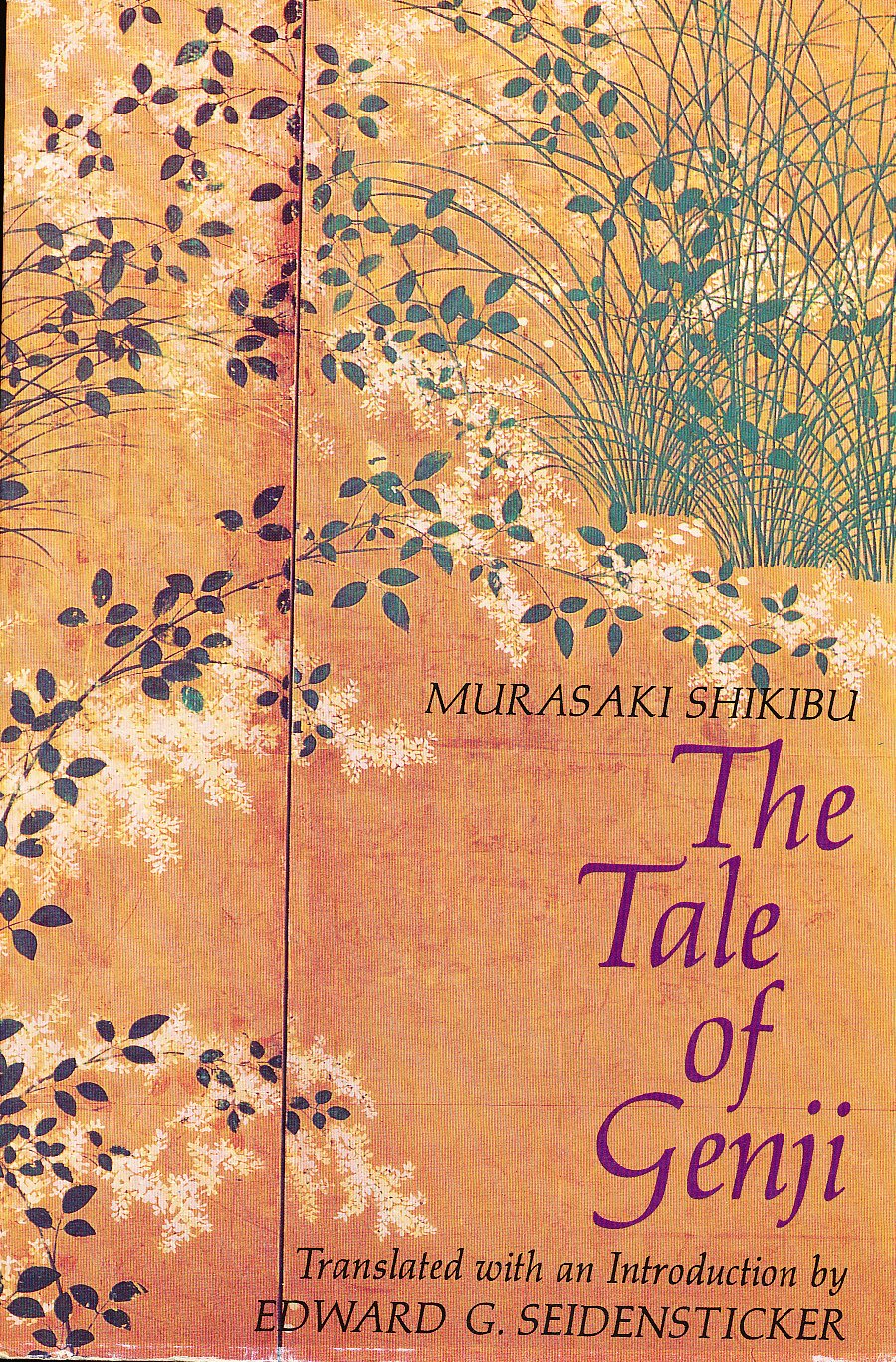
#2 — The Tale of Genji — trans. Edward G. Seidensticker (1976)
- Readability: High — polished and confident prose that flows easily.
- Accuracy: Very good — clarifies for the reader while remaining faithful overall.
- Tone: Elegant and emotionally direct.
- Accessibility: Ideal for readers wanting an immersive first reading.
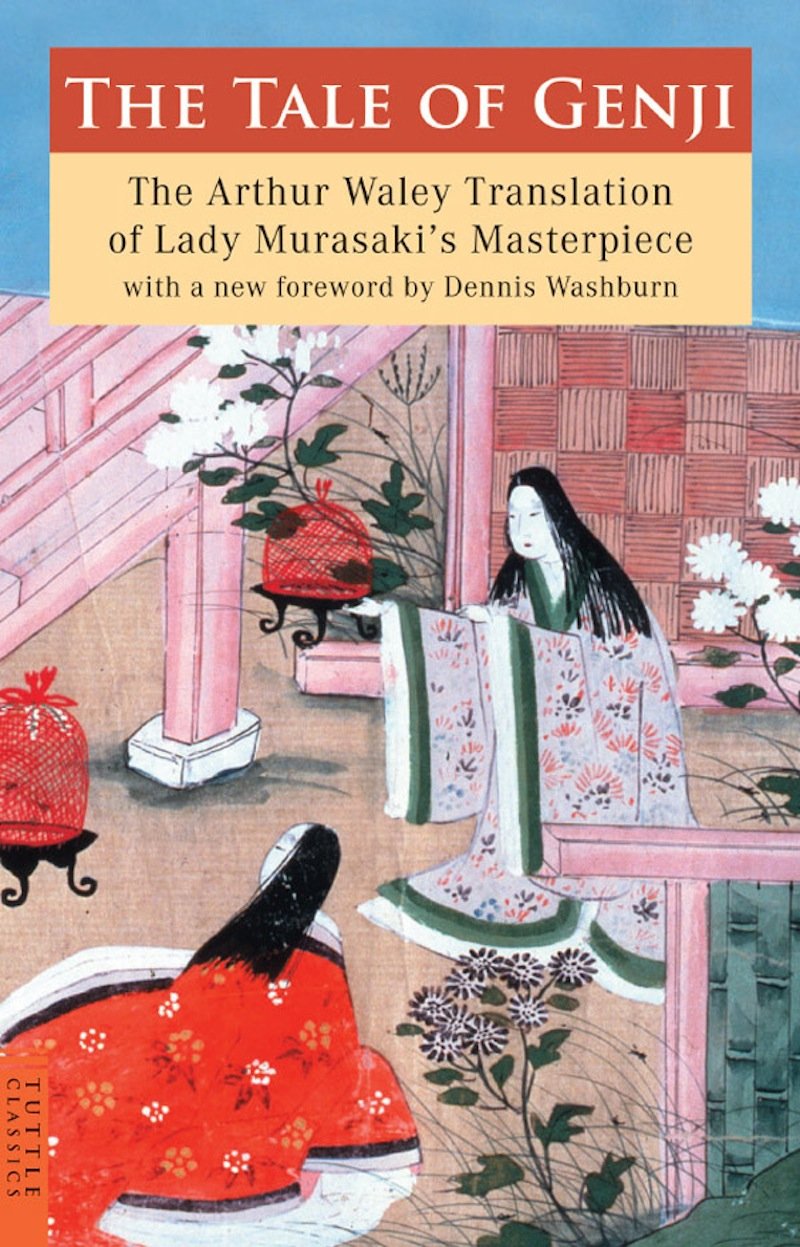
#3 — The Tale of Genji — trans. Arthur Waley (1925–1933)
- Readability: High — lucid and beautiful 1920s English prose.
- Accuracy: Fair — omits passages and the final section entirely.
- Tone: Melancholy and distinctly Bloomsbury in style.
- Accessibility: Best for readers interested in translation history rather than the original text.
About the Translators
Royall Tyler (b. 1936, 2001, Penguin Classics): Professor Emeritus of Japanese at the Australian National University; he spent approximately a decade on this translation. Tyler's approach emphasises preserving the ambiguity and indirection of Murasaki's prose — the way rank is indicated obliquely, the way characters are identified by title rather than name, the way emotional meaning accumulates through understatement and allusion. His translation includes over a thousand notes and is the essential scholarly edition in English.
Edward G. Seidensticker (1921–2007, 1976, Vintage / Knopf): the pre-eminent American translator of twentieth-century Japanese literature; his other translations include Kawabata's Snow Country and The Sound of the Mountain, novels by Mishima and Tanizaki, and the fiction of Nagai Kafū. His 1976 Tale of Genji was the first complete modern English translation and established the novel's English reputation; it is more idiomatic and more readable than Tyler's version at the cost of some scholarly precision.
Arthur Waley (1889–1966, 1925–1933, Tuttle): British Orientalist; self-taught in Japanese and Chinese without ever visiting either country; his other translations include Chinese poetry, The Analects of Confucius, and a partial translation of The Dream of the Red Chamber. His six-volume Genji, published between 1925 and 1933, introduced the work to the English-speaking world and created a devoted readership that included Virginia Woolf and Evelyn Waugh; it is a literary creation in its own right, at the significant cost of omitting one full chapter and taking substantial liberties throughout.
Themes
Mono no aware and the pathos of impermanence. The Japanese aesthetic concept of mono no aware — the bittersweet awareness of impermanence, the emotion of feeling something beautiful and knowing it will not last — permeates the entire narrative. The Heian court is presented as a world of extraordinary aesthetic refinement, and that refinement is inseparable from the melancholy of knowing it must pass. The seasonal round, the fading of colours, the aging of faces, the deaths of beloved women — all are felt through this lens.
The aesthetic life as spiritual practice and its limits. Genji is a figure of exceptional aesthetic sensitivity who treats the cultivation of beauty — in music, poetry, incense, garden design, and the emotional education of women — as the highest possible human activity. The novel does not simply endorse this; it also traces what the aesthetic life costs the women who are its objects. Many of the women Genji loves are isolated, confined, educated to his taste, and then abandoned; the later sections — particularly Ukifune's chapters — are explicit about the violence the aesthetic life inflicts on those who exist within it as objects rather than subjects.
The perspective of women at the Heian court. Written by a woman, the novel is extraordinarily attentive to the social and emotional conditions of women's lives: the confinement, the invisibility, the dependence on male attention, the competition for favour, the experience of waiting. Murasaki Shikibu observed this world from inside it as a lady-in-waiting; her account of what it was actually like — as opposed to how it appeared to men — has no parallel in the literature of the period.
Key Characters
Hikaru Genji — the Shining Prince; the son of an Emperor by a beloved concubine; a man of exceptional beauty, musical talent, and emotional intelligence who conducts love affairs with dozens of women across the novel's first two thirds. He is neither a simple romantic hero nor a simple villain; the novel is too interested in his complexity for either.
Lady Murasaki — the woman Genji takes as a child, educates according to his own aesthetic ideal, and eventually marries; she shares a name with the author and is perhaps the novel's most fully realised female character; her grief at Genji's acquisition of a Third Princess and her subsequent illness and death are among the novel's most devastating passages.
Fujitsubo — the Emperor's consort who resembles Genji's dead mother; Genji's most forbidden love; their brief affair produces a child who will eventually become Emperor without anyone but themselves knowing the truth. She is the emotional centre of the novel's first third and the template for all of Genji's subsequent loves.
Ukifune — the young woman who appears in the novel's final section (the Uji chapters, after Genji's own death) and who becomes the object of competing attentions from Genji's son Kaoru and his nephew Niou; her attempted suicide and eventual retreat to a nunnery form the novel's most explicitly Buddhist conclusion.
Recommended Sources
For further academic reading on Murasaki Shikibu and The Tale of Genji:
- Journal of Japanese Studies (Society for Japanese Studies) — the primary English-language journal for Japanese literature and culture; essential for Genji scholarship and the Heian literary tradition.
- Monumenta Nipponica (Sophia University, Tokyo) — the leading journal for premodern Japanese literature in English; the primary venue for scholarly comparison of the translation approaches.
- Harvard Journal of Asiatic Studies (Harvard-Yenching Institute) — key for The Tale of Genji in its broader East Asian literary context and its relationship to Chinese literature and court culture.
Which translation is right for you?
Choose Tyler (Penguin Classics) for a complete and scholarly engagement — his notes are essential for following the novel's web of allusions, his fidelity to the original's indirection preserves what makes the Genji unlike anything else in world literature, and his two-volume Penguin set is the standard scholarly edition in English. Choose Seidensticker (Vintage) for a more fluid reading experience — his version flows more easily as English prose, his omissions are minimal, and his literary judgment is consistently excellent. Choose Waley (Tuttle) only if you are interested in the history of the novel's reception in the West — his version is a literary achievement in itself but significantly incomplete and significantly his own creation rather than Murasaki's.
Frequently Asked Questions
What is Tale of Genji about?
The Tale of Genji is a classic work of Japanese literature that follows the life and romantic exploits of Hikaru Genji, the son of an emperor. Set during the Heian period, the novel explores themes of love, politics, and the fleeting nature of life through Genji's relationships and the courtly life he navigates.
Is Tale of Genji hard to read?
Tale of Genji can be challenging due to its complex narrative and cultural context. The Tyler translation is noted for its scholarly depth, while Seidensticker's is more readable. Waley's version is less accurate but offers a unique literary style.
Which Tale of Genji translation is best?
The Royall Tyler translation is this guide's primary recommendation. It is the most complete and most scholarly English Genji, and for most readers it is also the most rewarding.
Tyler vs Seidensticker — which should I choose?
Choose Tyler for scholarly completeness and fidelity to the original's ambiguity and indirection. Choose Seidensticker for a more fluid, readable literary experience that clarifies names and flows more easily as English prose.
Which translation is easiest to read?
Edward Seidensticker's 1976 translation is the most elegantly readable version available, with polished prose that draws readers into the novel's emotional arc.
Which translation is most accurate?
Royall Tyler's translation is the scholarly standard, preserving the ambiguity, indirection, and elliptical quality of Murasaki's prose with extensive notes.
Should I read Arthur Waley's older Tale of Genji translation?
Read Waley only if you are interested in the history of the novel's reception in the West; it is a literary achievement but significantly incomplete and takes substantial liberties.
This guide is based on reading all 3 translations and reviewing scholarly commentary. Last reviewed: June 2026.
As an Amazon Associate, I earn from qualifying purchases.
Looking for another classic? Browse all our translation guides →
Edward Seidensticker also produced the definitive English version of Snow Country by Kawabata.
For more Japanese fiction, see our guide to the best Kokoro translation.
Readers of classical Japanese literature may also enjoy our Rashomon translation guide.
Another modern Japanese masterpiece is covered in our Wind-Up Bird Chronicle translation guide.