The Leopard: What It's About & Best Translation
Giuseppe Tomasi di Lampedusa's elegy for the Sicilian aristocracy — in Colquhoun's classic English or Nisbet's new translation
As an Amazon Associate, we earn from qualifying purchases.
The Leopard is about the decline of the Sicilian aristocracy during the Risorgimento, as seen through the eyes of Don Fabrizio, Prince of Salina. It explores themes of change, decay, and the passage of time.
Translation Comparison at a Glance
| Translation | Readability | Accuracy | Tone | Best For |
|---|---|---|---|---|
| Colquhoun (1960) | High | Very good | Assured period elegance | First-time readers, classic experience |
| Nisbet (2022) | Moderate | Excellent | Closer to original syntax | Close comparison, scholarly interest |
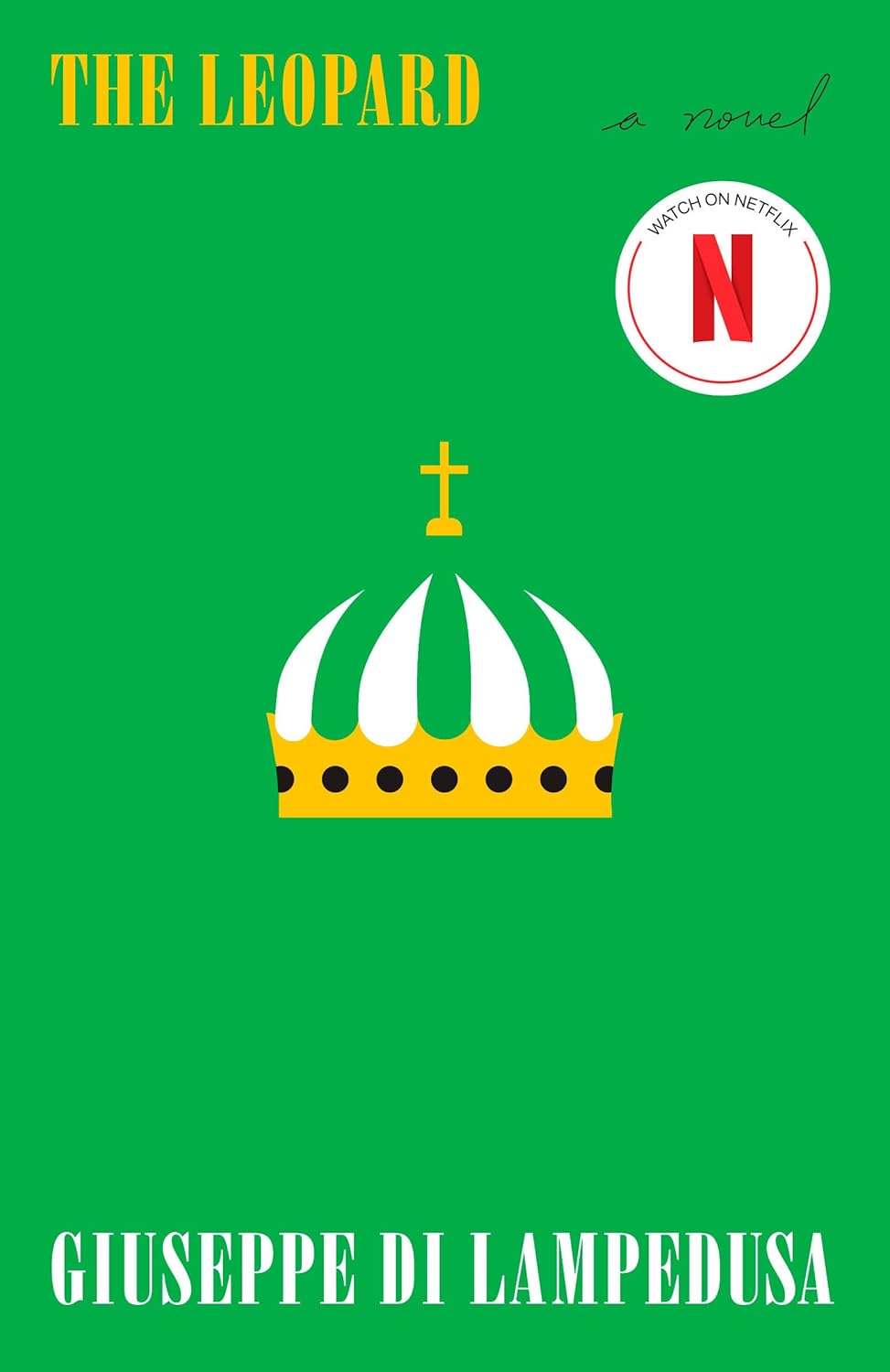
#1 — The Leopard — trans. Archibald Colquhoun (1960)
- Readability: High — flowing mid-century English with ceremonial pacing.
- Accuracy: Very good — worked from the first Italian edition with Bassani's input.
- Tone: Assured period elegance appropriate to aristocratic decline.
- Accessibility: Excellent entry point for first-time readers.

David Horovitch's measured and aristocratic delivery perfectly captures the melancholic grandeur of Lampedusa's prose, while the Colquhoun translation remains the most widely respected English version.
Listen on Audible →Which translation is right for you?
- Choose Colquhoun if you want the classic, fluent reading experience that established the novel's reputation in English.
- Choose Nisbet if you want the translation that stays closest to Lampedusa's original sentence structure and Sicilian vocabulary.
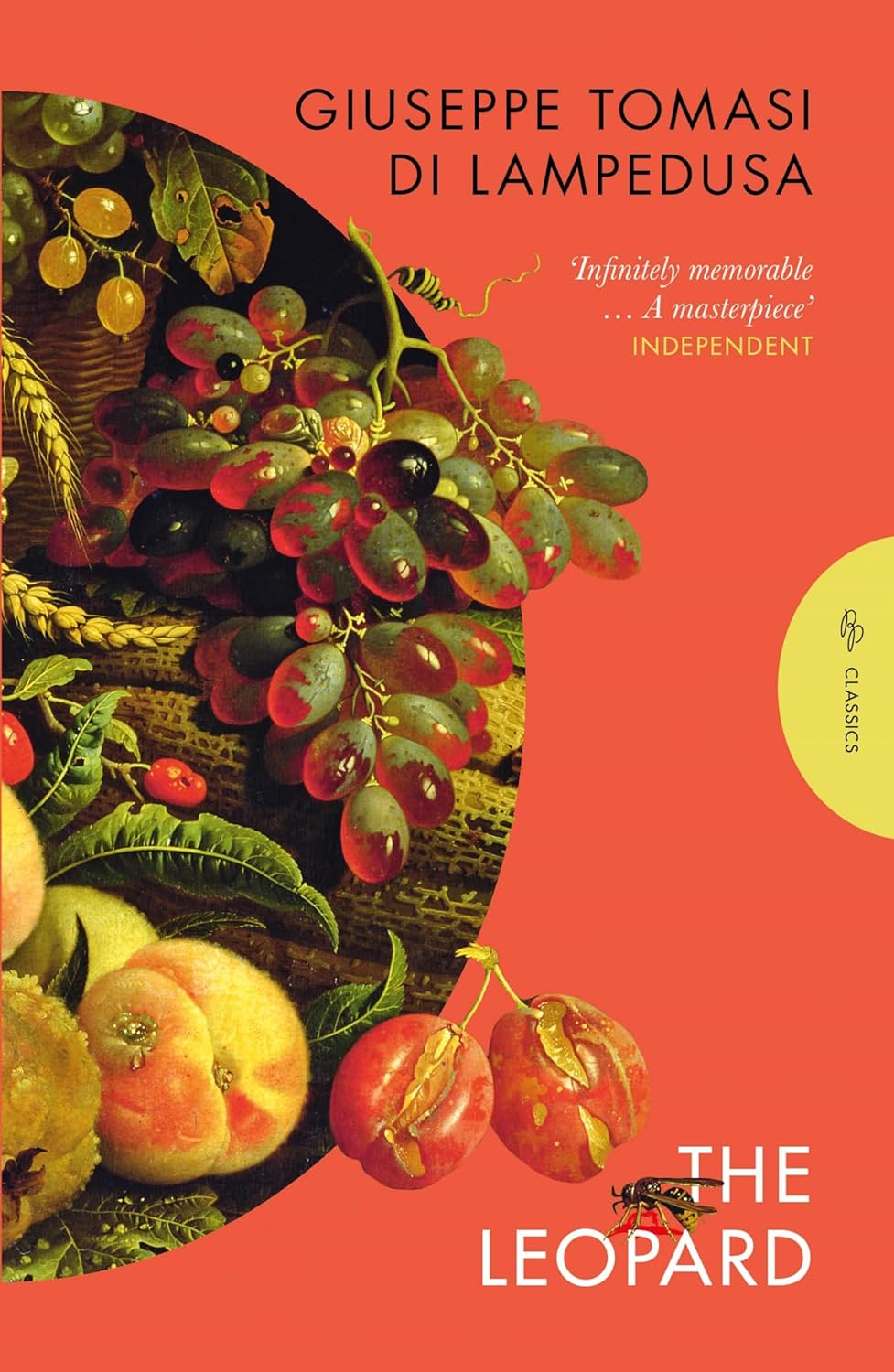
#2 — The Leopard — trans. Ralph Nisbet (2022)
- Readability: Moderate — preserves complex Italianate sentences.
- Accuracy: Excellent — stays closer to original syntax and Sicilian vocabulary.
- Tone: Fresh and attentive to register shifts.
- Accessibility: Best for readers wanting to compare versions.
About the Translators
Archibald Colquhoun (1912–1964, 1960, Vintage): British author and translator; he translated Lampedusa's manuscript in close consultation with Giorgio Bassani, who had prepared it for publication. His other major translation work includes a biography of Manzoni and a study of the Italian Risorgimento period. His Leopard has been the standard English text for over sixty years; its quality is high, and the translation's period elegance — a mid-century English formality entirely appropriate for a novel about aristocratic decline — has kept it in continuous print despite the passage of decades.
Ralph Nisbet (2022, Pushkin Press Classics): British translator; his retranslation, the first significant new English version of the novel since Colquhoun's, was published by Pushkin Press in 2022 with a fresh scholarly apparatus. He approaches the novel with particular attention to Lampedusa's complex sentence structure and the Sicily-specific vocabulary that Colquhoun occasionally smoothed over.
Themes
Historical change and the aristocracy's self-awareness. Don Fabrizio is the novel's most fully achieved figure because he sees his own obsolescence with complete clarity: he knows that the Bourbon kingdom is ending, that the new order will belong to men like Don Calogero Sedàra, and that this is, in some large historical sense, an improvement — even as it destroys everything he finds beautiful. The novel's defining line, "If we want things to stay as they are, things will have to change," is not cynicism but lucidity: Don Fabrizio understands that the aristocracy must absorb the new class to survive, and that this absorption is a form of surrender.
The Sicilian landscape and the weight of the past. The landscape of Sicily — its heat, its dust, its ancient poverty, the quality of its light — is as much a character in the novel as any of the human figures. Lampedusa writes with extraordinary sensuous precision about the island he loved, and the landscape carries a quality of geological time that dwarfs both the Risorgimento's political upheavals and Don Fabrizio's personal griefs. Sicily has been conquered by everyone; the Risorgimento is simply the latest conquest.
Eros and death as the novel's twin poles. The famous ball scene in the penultimate chapter — in which Don Fabrizio, arriving at the Ponteleone ball, passes through rooms full of beautiful women and confronting an ancient mirror — is the novel's most sustained meditation on the relationship between beauty and mortality. He dances with the ravishing Angelica and feels both desire and death; the two experiences are inseparable in the novel's imagination.
Key Characters
Don Fabrizio Corbera, Prince of Salina — the protagonist; a tall, imposing Sicilian aristocrat of genuine intellectual distinction — an amateur astronomer of real achievement — who watches the world he was born into dissolve with melancholy clarity. He is the leopard of the title (the Salina family crest) and the novel's moral and emotional centre.
Tancredi — Don Fabrizio's favourite nephew; the young man who embodies the necessary accommodation to change ("things must change in order to stay the same"). He joins Garibaldi's red-shirts, then switches to the regular Piedmontese army, then marries Angelica — a career of perfect opportunism that Don Fabrizio observes with resigned admiration.
Angelica Sedàra — the beautiful daughter of Don Calogero; the new Italy incarnate — her beauty is genuine, her family money is real, and her marriage to Tancredi is the novel's central event: the Salina bloodline absorbing the new money, the aristocracy accommodating itself to survive.
Don Calogero Sedàra — Angelica's father; the mayor of Donnafugata and the representative of the rising middle class; vulgar, cunning, politically gifted, and entirely without the qualities that Don Fabrizio values. He is the future, and Don Fabrizio knows it.
Recommended Sources
For further academic reading on Lampedusa and The Leopard:
- Italica (American Association of Teachers of Italian) — the primary English-language journal for Italian literary studies; essential for Lampedusa's place in twentieth-century Italian literature and his relationship to the Risorgimento tradition.
- Italian Studies (Taylor & Francis) — key for the novel's historical and political dimensions and its reception in Italy across the decades since publication.
- Journal of Modern Italian Studies (Routledge) — the primary venue for interdisciplinary work on modern Italy; essential for the Sicilian context and the novel's engagement with southern Italian history.
Which translation is right for you?
Choose Colquhoun (Vintage) for the classic reading — his version has the assured period elegance appropriate to the novel's world, is the translation through which the book built its international reputation, and is the most widely available edition. Choose Nisbet (Pushkin Press Classics) if you want the translation that stays closest to Lampedusa's actual Italian and are interested in comparing Lampedusa's sentence structure and Sicilian vocabulary to what Colquhoun rendered in smoother mid-century English.
Frequently Asked Questions
What is The Leopard about?
The Leopard is about the decline of the Sicilian aristocracy during the Risorgimento, as seen through the eyes of Don Fabrizio, Prince of Salina. It explores themes of change, decay, and the passage of time.
Is The Leopard hard to read?
The Leopard can be challenging due to its historical context and complex themes. Colquhoun's translation offers a more accessible read, while Nisbet's version is closer to the original Italian.
Which The Leopard translation is best?
Colquhoun's 1960 translation remains the standard for most readers due to its assured period elegance and fluency.
Colquhoun vs Nisbet — which should I choose?
Choose Colquhoun for the classic reading experience that built the novel's international reputation. Choose Nisbet if you want the version that stays closest to Lampedusa's Italian sentence structure and Sicilian vocabulary.
Which translation is easiest to read?
Colquhoun's translation is the easier entry point for first-time readers thanks to its flowing mid-century English.
Which translation is most accurate?
Nisbet's 2022 translation is the most accurate to Lampedusa's original syntax and vocabulary.
Is there a significant difference between the two English translations of The Leopard?
Yes. Colquhoun smooths the Italianate syntax into elegant period English, while Nisbet preserves more of the original's complex sentences and Sicilian specificity.
This guide is based on reading both translations and reviewing scholarly commentary. Last reviewed: June 2026.
As an Amazon Associate, I earn from qualifying purchases.
Looking for another classic? Browse all our translation guides →
Exploring other Italian masterpieces? See our guide to the best Divine Comedy translations.
For another cornerstone of Italian literature, our Decameron translation guide compares Rebhorn and McWilliam.
Readers of modern Italian fiction may also enjoy our Invisible Cities translation guide.
If you like 20th-century Italian novels, check our Name of the Rose translation guide.