The Book of Disquiet: What It's About & Best Translation
Pessoa's unfinishable masterpiece — and the two editions that present it differently
As an Amazon Associate, we earn from qualifying purchases.
The Book of Disquiet is a collection of fragments written by Fernando Pessoa under the semi-heteronym Bernardo Soares. It explores themes of existential reflection, the nature of identity, and the experience of living in Lisbon, offering a deeply introspective look at the human condition.
Translation Comparison at a Glance
| Translation | Readability | Accuracy | Tone | Best For |
|---|---|---|---|---|
| Zenith (1991) | High | Very good | Precise, slightly formal, literary | First-time readers, literary appreciation |
| Jull Costa (2017) | Moderate | Excellent | Contemporary, plain where appropriate | Scholars, complete archive access |
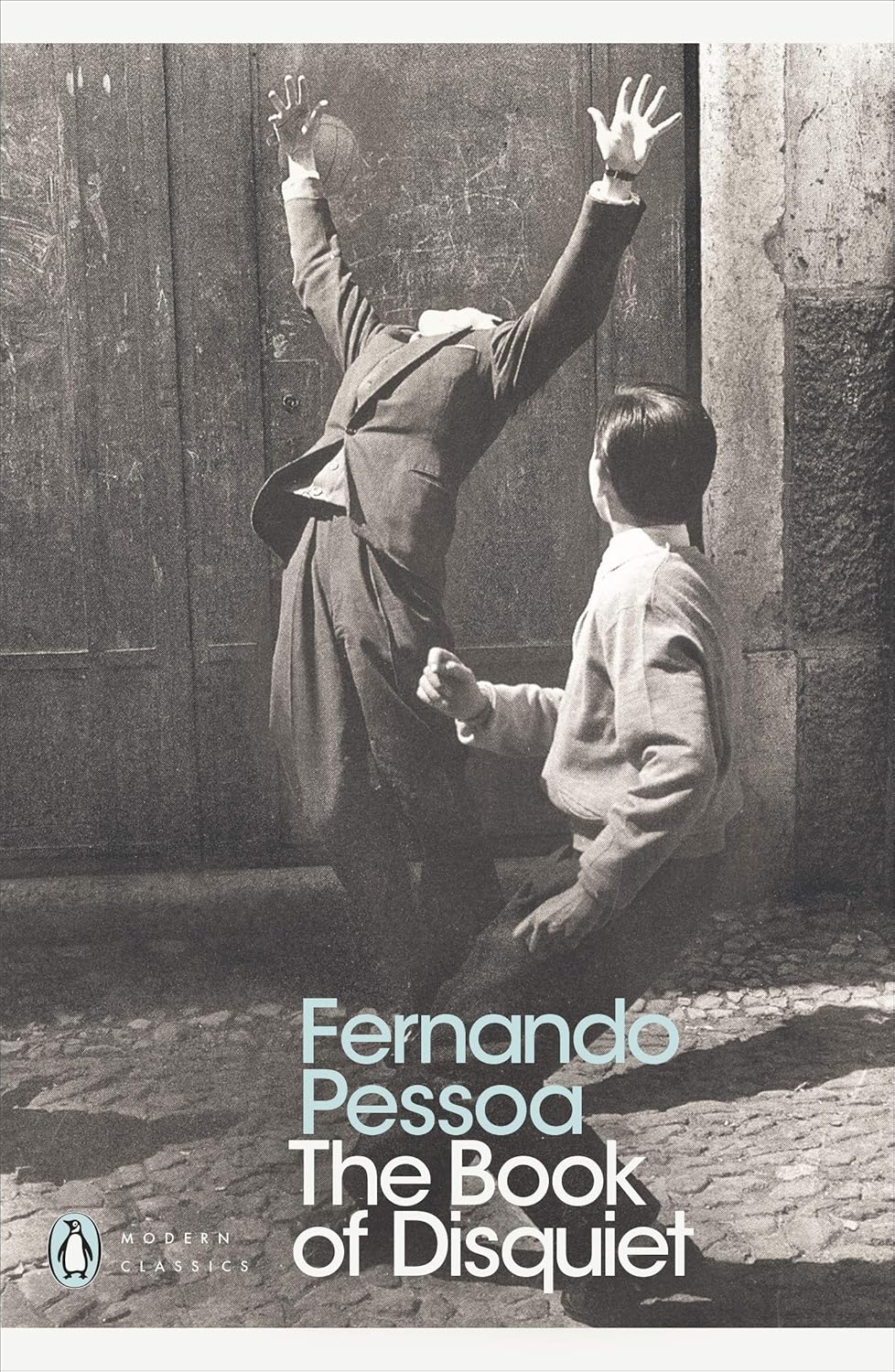
#1 — The Book of Disquiet — trans. Richard Zenith (Penguin Modern Classics)
- Readability: High — precise and alive to Pessoa's mode of seeing.
- Accuracy: Very good — guided by literary quality and representation of consciousness.
- Tone: Precise, slightly formal, literary.
- Accessibility: Excellent for first-time readers.

Adam Kotz's melancholic and introspective narration perfectly captures the essence of Pessoa's fragmented prose, while Zenith's translation preserves the poetic and philosophical depth of the original.
Listen on Audible →Which translation is right for you?
- Choose Zenith if you want the most literary, carefully curated introduction that captures the book's distinctive quality in English.
- Choose Jull Costa if you want the fullest scholarly encounter with the complete archive and all known fragments.
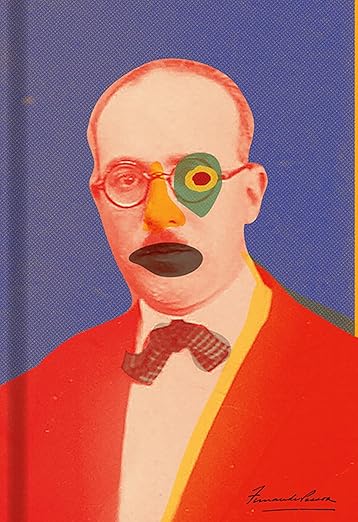
#2 — The Book of Disquiet: The Complete Edition — trans. Margaret Jull Costa (New Directions, 2017)
- Readability: Moderate — longer and more uneven by design.
- Accuracy: Excellent — most faithful to the archive's incompleteness.
- Tone: Contemporary, willing to stay plain.
- Accessibility: Best for readers seeking the full archive.
About the Translators
Richard Zenith (Penguin Modern Classics, 1991; revised and expanded subsequent editions): A distinguished scholar and editor of Pessoa's complete works, Zenith is the most important mediator between Pessoa and anglophone readers. His selection of fragments for the Penguin edition is guided by both literary quality and an instinct for what represents Soares's consciousness most fully — the observation that begins concretely and dissolves into abstraction, the self-deprecating irony, the strange beauty of consciousness turning itself inside out. Zenith's English is precise and slightly formal, alive to the peculiarly Pessoan mode of seeing. His other major Pessoa translations include the Collected Poems and the Selected Prose.
Margaret Jull Costa and Jerónimo Pizarro (New Directions, 2017): Costa is one of the finest translators of Portuguese and Spanish literature working in English, with translations of Javier Marías, José Saramago, Eça de Queirós, and Agustina Bessa-Luís all considered definitive in their fields. Pizarro, a Colombian-Spanish scholar, is the leading editor of the Pessoa archive and produced the most comprehensive scholarly edition of the Portuguese text, upon which this translation is based. Costa's rendering of Soares has its own distinctive character — more contemporary in idiom than Zenith's, more willing to let the prose be plain where Pessoa's prose is plain.
Themes
The impossibility of action. Soares cannot commit to the world. He observes it, translates it into sentences, and withdraws. The Book of Disquiet is a sustained meditation on what it means to live entirely in the mind — and on whether that constitutes a life at all. Pessoa's philosophical position is never consoling: the withdrawal is not serene, the dreaming is not peaceful, and the beauty Soares finds in his solitude does not pretend to compensate for what it has cost him.
The self as multiplicity. Pessoa's invention of the heteronyms — fully developed alternative personalities, each with their own biography and style — is the biographical context for the Book of Disquiet, but it is also the book's central theme. Soares is a "semi-heteronym," closer to Pessoa than the others, and his obsessive self-examination is partly a record of the experience of not having a stable self to examine. Identity dissolves under scrutiny; consciousness observes itself observing.
Lisbon as spiritual geography. The city — its foggy evenings, its narrow streets, its café smells, its particular quality of light — is not background but correlative. Soares's inner states find their objective form in the city's physical texture, and Pessoa's Lisbon achieves in these fragments something like the metaphysical weight that Joyce gave to Dublin.
Key Characters
Bernardo Soares — Pessoa's "semi-heteronym": a bookkeeper in a Lisbon fabric warehouse on the Rua dos Douradores, writing in his room at night. Unlike Pessoa's fully developed heteronyms (Caeiro, Reis, Campos), Soares shares Pessoa's biography and circumstances so closely that the distinction between them is more philosophical than practical. He is the book's sole voice, its narrator and its subject.
Fernando Pessoa — the organizing consciousness behind Soares, present in the book's framing apparatus and in the editorial decisions that gave the archive its shape. The relationship between Pessoa and Soares — author and character, self and alter ego — is itself one of the book's central preoccupations.
Vasques, the boss — the proprietor of the fabric warehouse where Soares works; appears occasionally in the fragments as a figure of unremarkable competence and ordinariness, representing the world Soares inhabits but cannot fully enter.
Recommended Sources
For further reading on Pessoa and the Book of Disquiet:
- Portuguese Studies (Modern Humanities Research Association) — the primary English-language scholarly journal for Portuguese literature; essential for current Pessoa scholarship.
- Comparative Literature (Duke University Press) — for placing the Book of Disquiet in the context of European modernism and the tradition of the literary fragment.
- Richard Zenith's Introduction to his Penguin editions — the most accessible critical overview of the book's editorial history and Pessoa's philosophical intentions.
For most readers, Zenith's Penguin translation is the right choice: it is the most literary version, the most carefully curated, and the one that gives the book its particular quality in English. Costa and Pizarro's New Directions edition is the choice for readers who want the fullest possible encounter with the archive — more fragments, less selection, a closer proximity to the working documents of Pessoa's imagination. Both translations are worth having.
Frequently Asked Questions
What is The Book of Disquiet about?
The Book of Disquiet is a collection of fragments written by Fernando Pessoa under the semi-heteronym Bernardo Soares. It explores themes of existential reflection, the nature of identity, and the experience of living in Lisbon, offering a deeply introspective look at the human condition.
Is The Book of Disquiet hard to read?
The Book of Disquiet can be challenging due to its fragmentary nature and philosophical depth. Zenith's translation is more accessible for first-time readers, while Jull Costa's offers a comprehensive scholarly experience.
Which The Book of Disquiet translation is best?
For most readers, Zenith's Penguin translation is the right choice: it is the most literary version, the most carefully curated, and the one that gives the book its particular quality in English.
Zenith vs Jull Costa — which should I choose?
Zenith offers the most literary and carefully curated selection; Costa and Pizarro provide the fullest scholarly encounter with the complete archive.
Which translation is easiest to read?
Zenith's selection is the most literary and accessible for first-time readers.
Which translation is most accurate?
The Costa/Pizarro Complete Edition is the scholarly standard and most faithful to the archive's incompleteness.
Why are there multiple versions of The Book of Disquiet?
Pessoa never finished the book; different editors have made different choices about which fragments to include and how to organise them.
This guide is based on reading the two translations and reviewing scholarly commentary. Last reviewed: June 2026.
As an Amazon Associate, I earn from qualifying purchases.
Looking for another classic? Browse all our translation guides →
If you enjoy Pessoa's fragmentary modernism, see our guide to the best Borges translations in English.
For another meditative masterpiece of European literature, read our Invisible Cities translation guide.
Readers drawn to intricate literary puzzles may also like our Name of the Rose translation guide.
Explore more Portuguese and Spanish voices with our Love in the Time of Cholera translation guide.
Another essential modernist novel with a distinctive European voice is covered in our Leopard translation guide.