Richard Pevear & Larissa Volokhonsky
The dominant voice in modern Russian translation
As an Amazon Associate, we earn from qualifying purchases.
Richard Pevear and Larissa Volokhonsky are the most prolific and most debated literary translators working in English today. Over four decades they have produced new translations of nearly all the major Russian prose classics — Dostoevsky, Tolstoy, Gogol, Bulgakov, Pasternak, Chekhov — working as a team in a way that has no real precedent in the history of literary translation. Their work has won the PEN/Book-of-the-Month Club Translation Prize three times. It has also generated some of the most heated arguments in contemporary literary culture about what translation is and what it is for.
Whether you agree with their approach or not, they have reshaped how English-speaking readers experience Russian literature. Almost every major Russian novel in print today is available in a Pevear and Volokhonsky translation, and for many readers their editions are the only version they have ever encountered.
How the Collaboration Works
Volokhonsky is a native Russian speaker who emigrated from the Soviet Union in the 1970s; Pevear is an American writer who does not read Russian. Their method: Volokhonsky produces a literal English draft of the Russian text, accompanied by extensive notes on nuance, tone, wordplay, and what the Russian is actually doing at each point; Pevear then shapes this draft into final English prose, returning to Volokhonsky constantly with questions about specific passages. The result is a translation that is unusually faithful to the Russian original — in sentence structure, in rhythm, in deliberate repetition — but that could not have been produced by a native Russian speaker alone, because the idiomatic pressures of the source language make its conventions invisible in ways they are not to an outside reader.
This method is at once the source of their strengths and the focus of the most serious criticisms. Because Pevear shapes the English without direct access to the Russian, his ear is entirely dependent on Volokhonsky's notes. Because Volokhonsky's notes are thorough and her command of both languages extensive, the results are often remarkably faithful. But the chain of mediation between source and final text is longer than in a translation made by a single bilingual translator, and critics have argued — with varying degrees of fairness — that this shows.
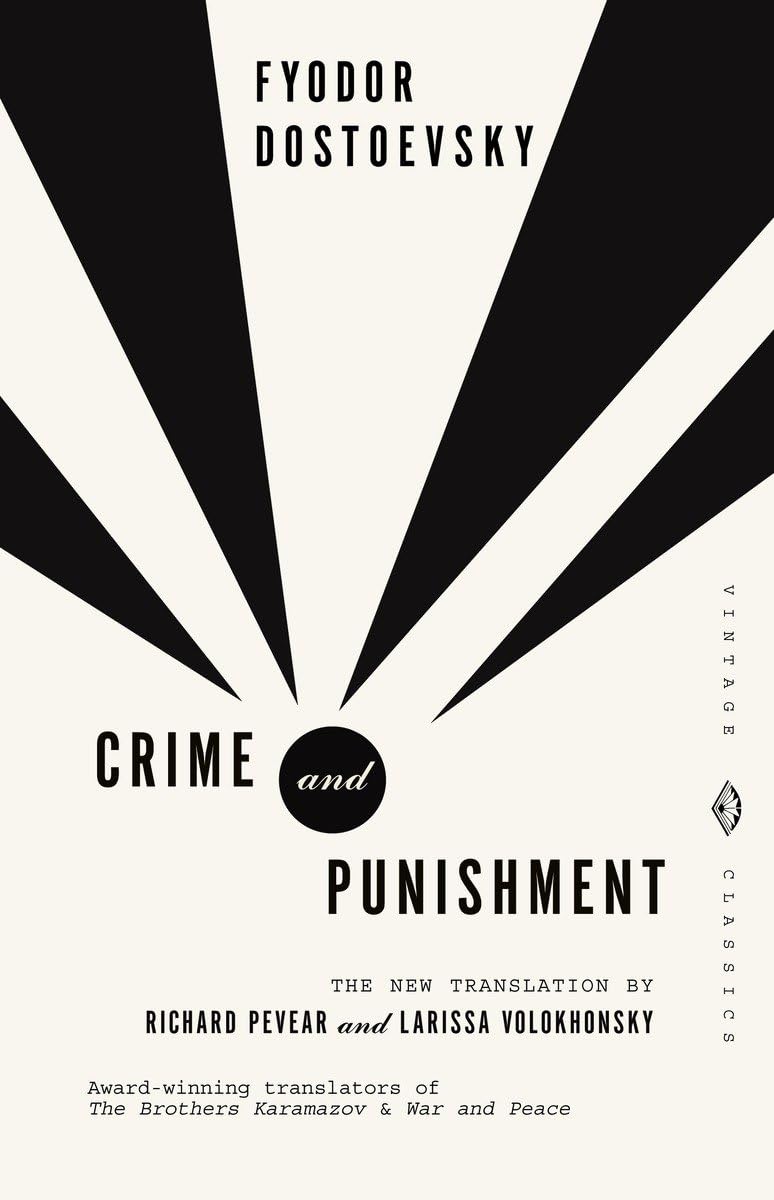
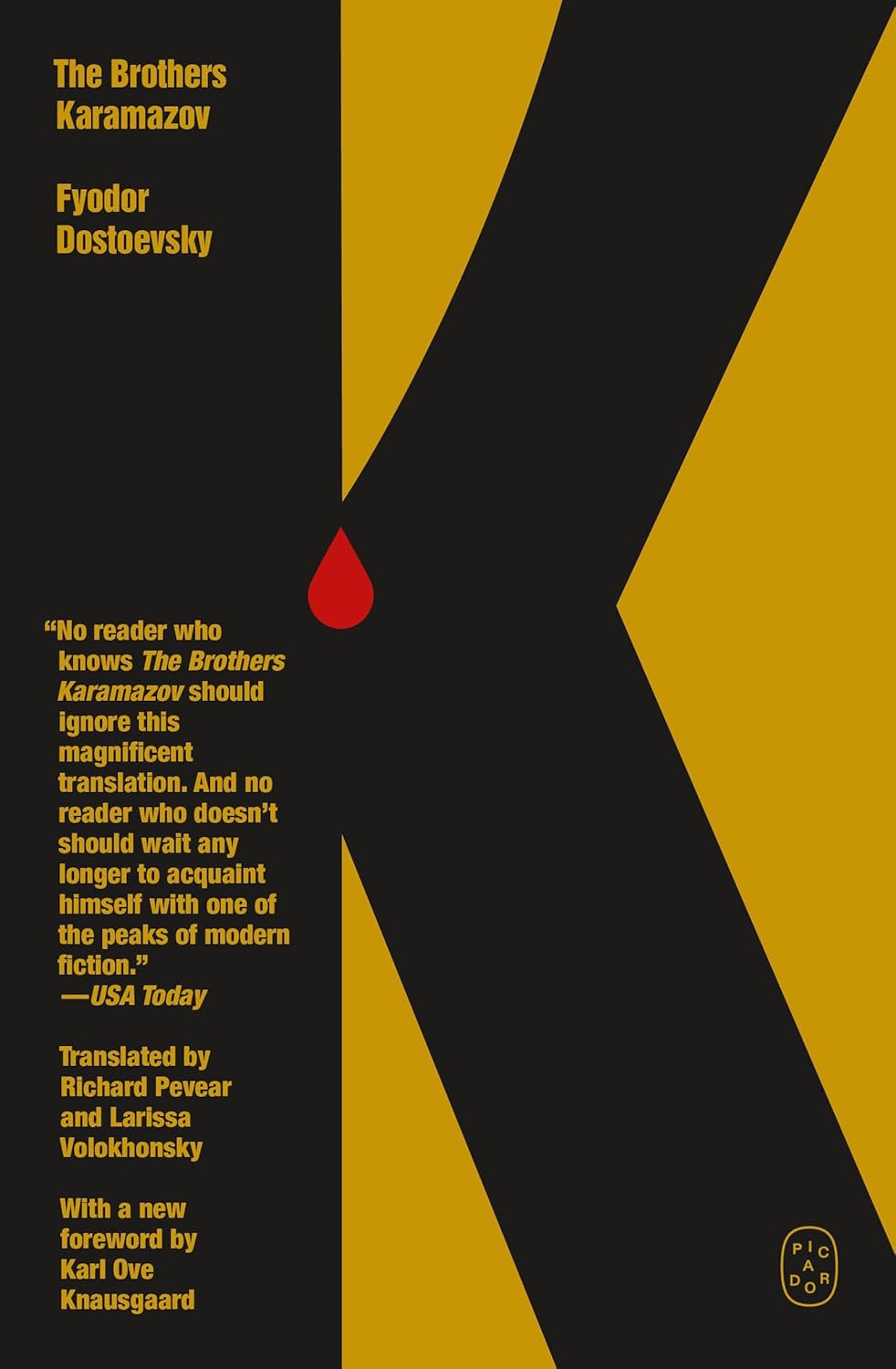
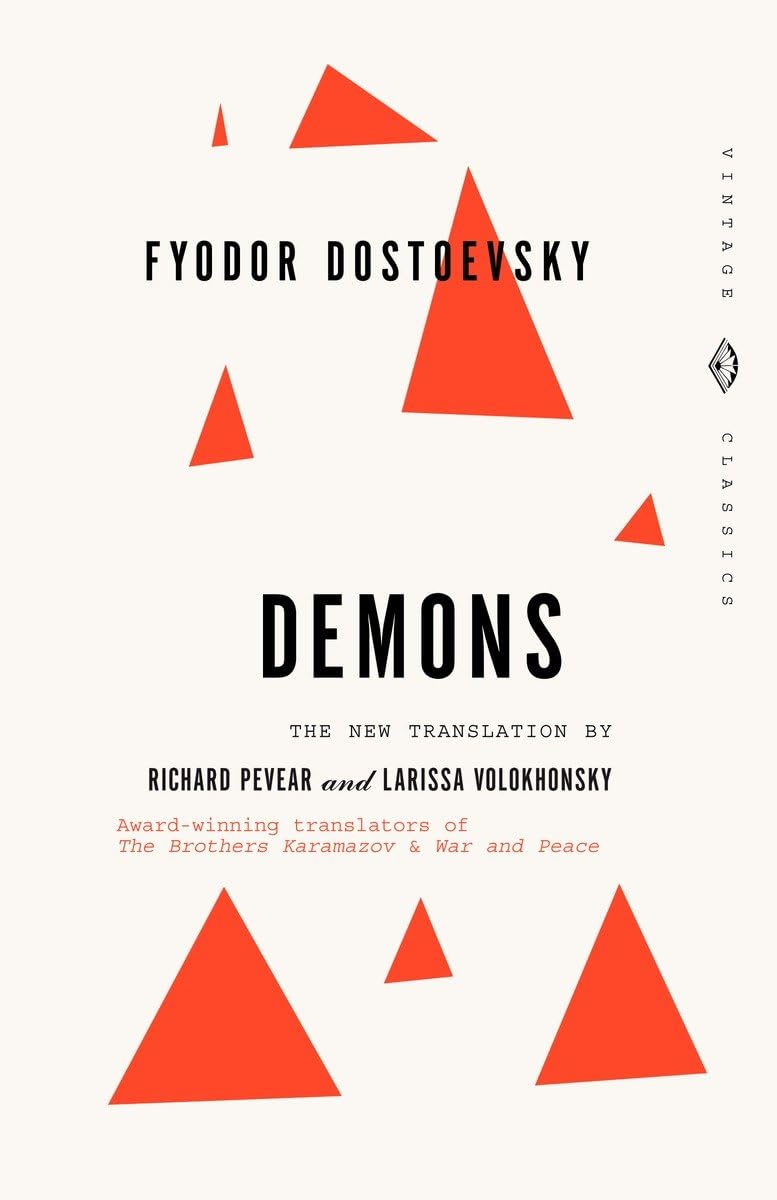
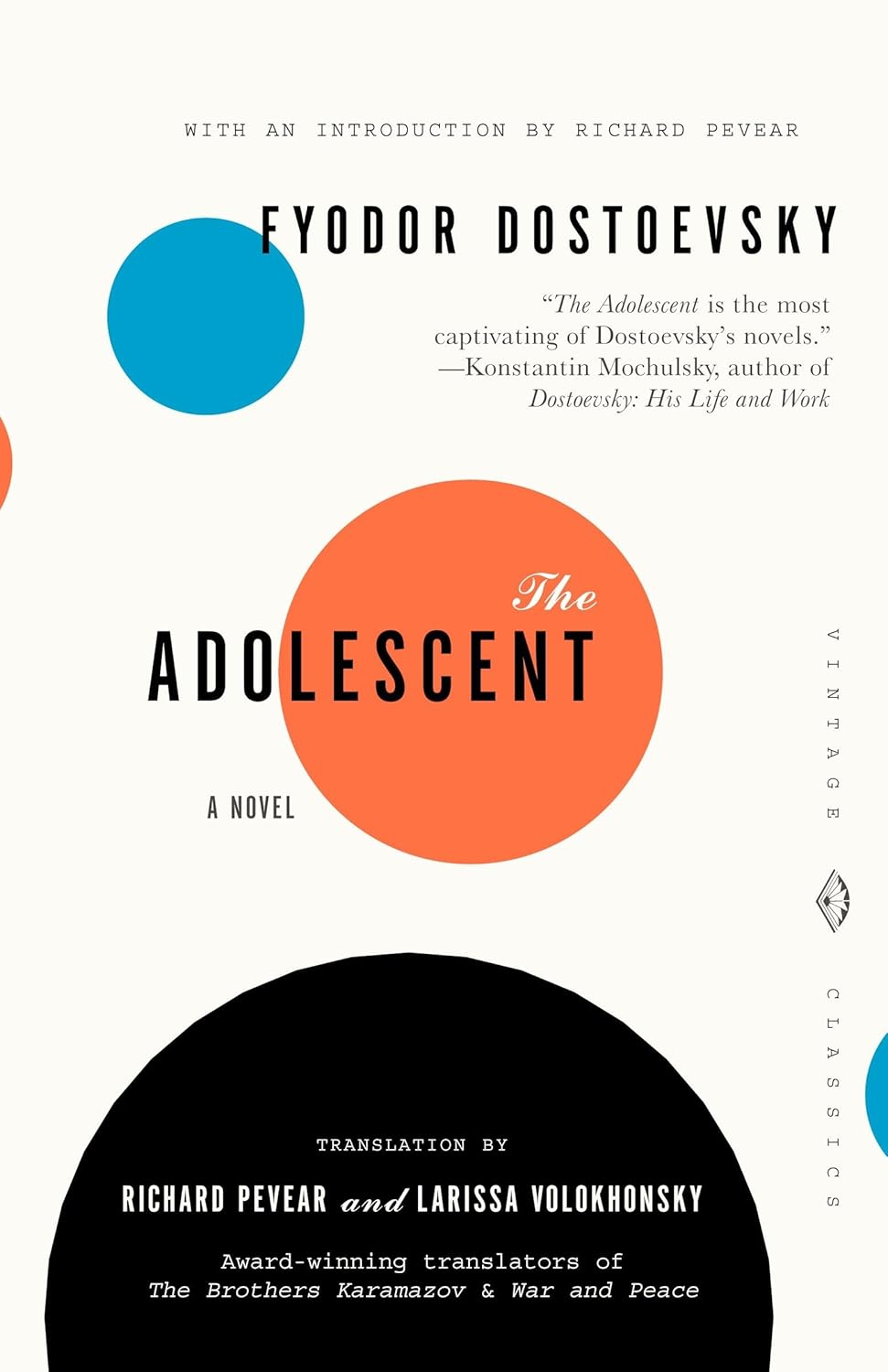
Their Translations
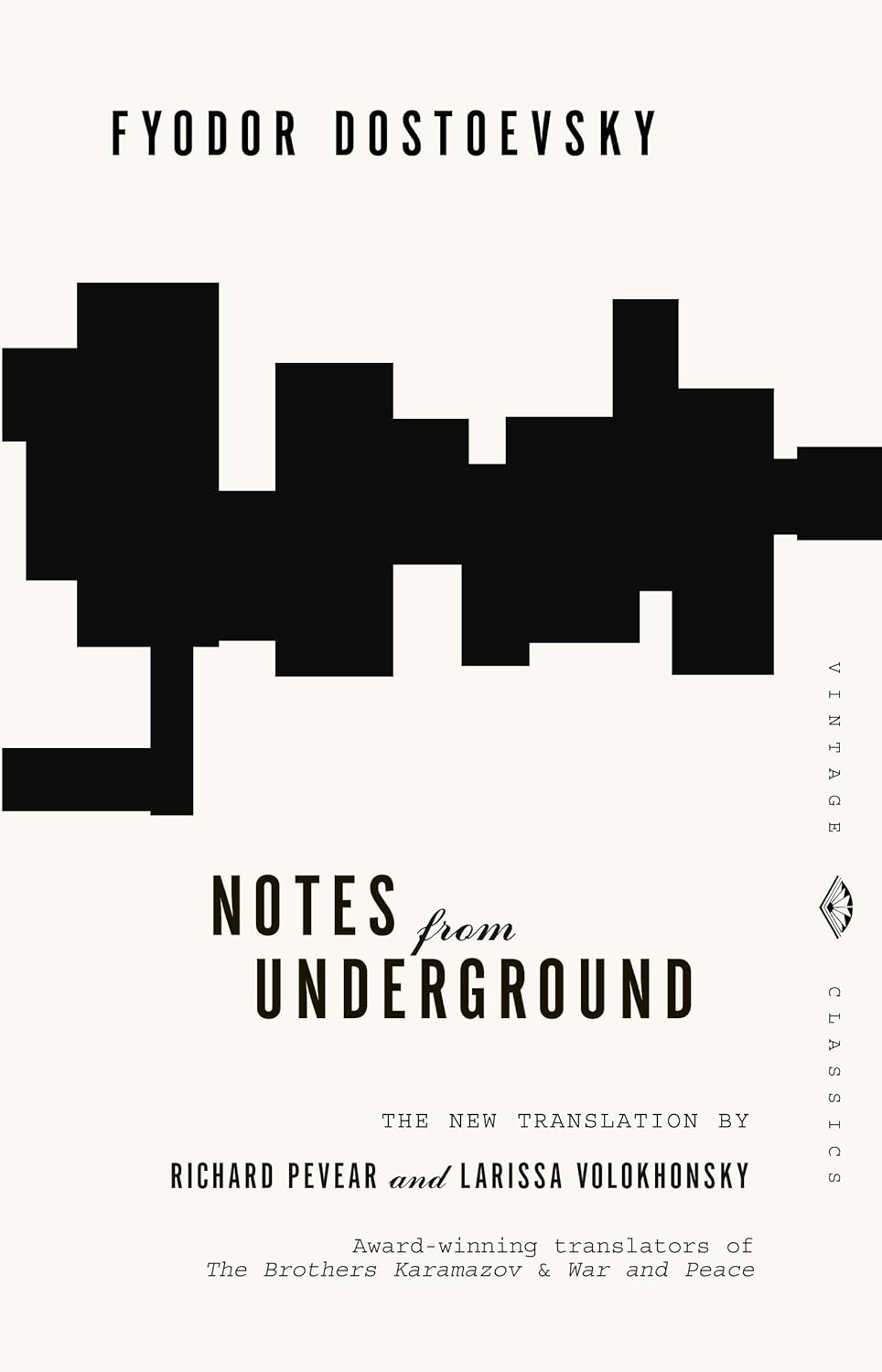
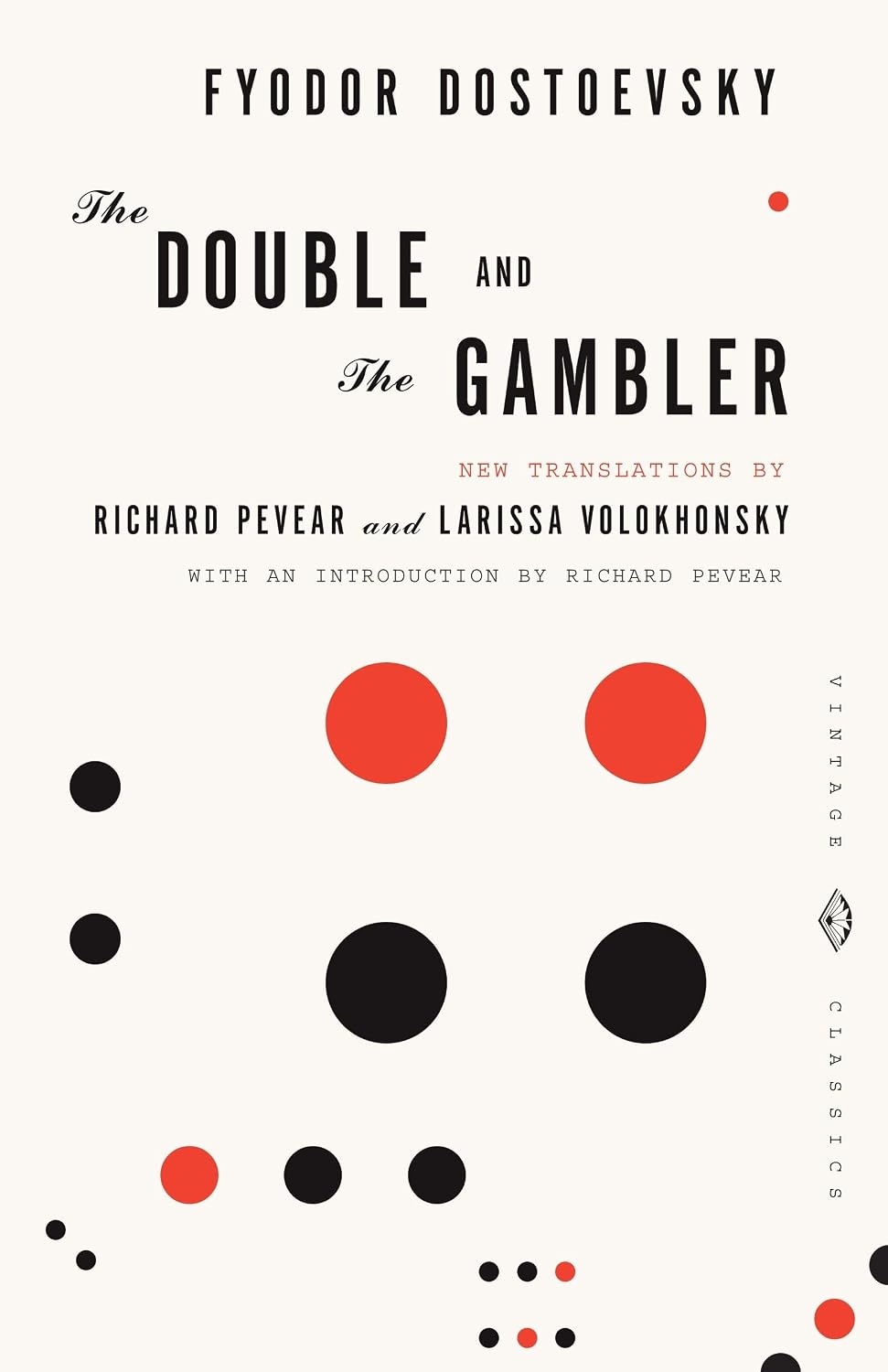
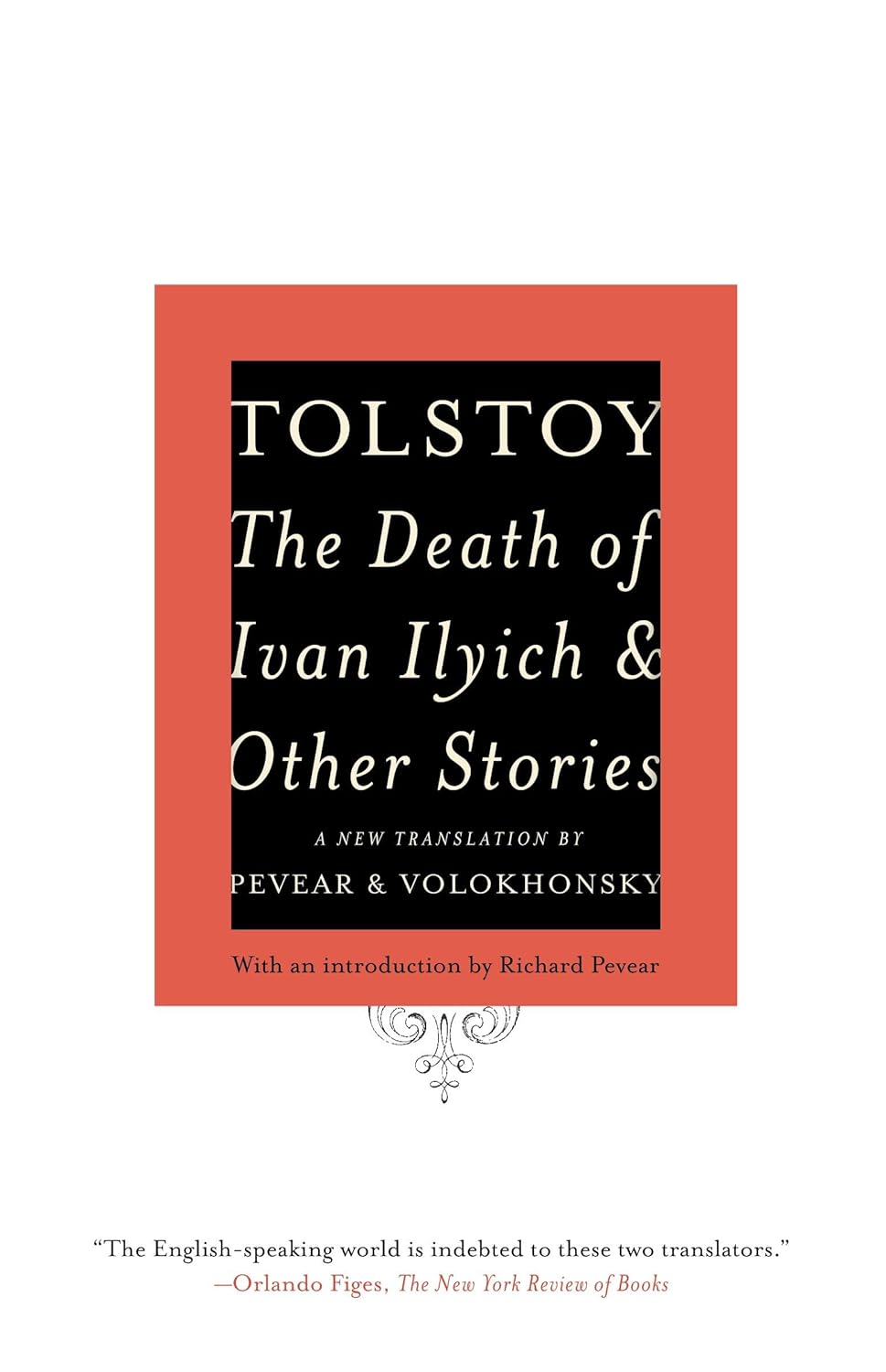
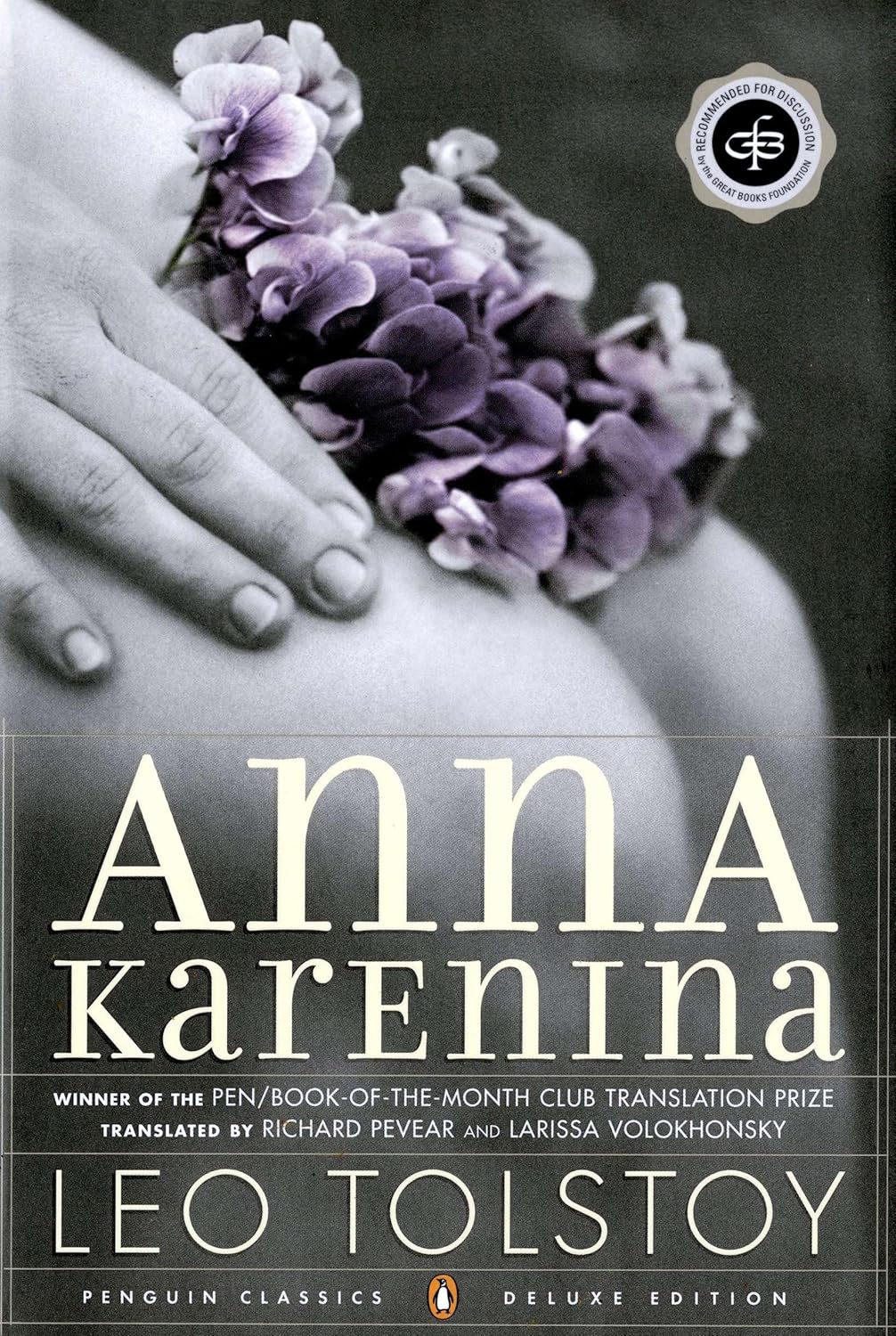

What They Do Well
The strongest case for Pevear and Volokhonsky is fidelity — not just fidelity in the narrow sense of word-for-word accuracy, but fidelity to the feel of the original. When Dostoevsky repeats a word four times in three sentences, he is doing it deliberately; P&V keep the repetition where earlier translators smoothed it away as redundancy. When Tolstoy writes a sentence that runs to a paragraph, the structure of that sentence is part of its meaning; P&V preserve it where others break it up for readability. The discipline they bring to preserving the author's choices, rather than substituting their own judgments about what makes better English prose, is the defining feature of their approach.
They are also frequently credited with recovering the dark comedy in Dostoevsky that earlier translations buried. Constance Garnett's Victorian stateliness produced a Dostoevsky who is relentlessly serious; the P&V Dostoevsky is often, almost embarrassingly, funny — the scenes in police stations, the conversations in taverns, the peripheral characters who career through scenes with a Dickensian absurdity. This comic register is not an invention of P&V; it is in the Russian, and they were among the first to make it fully visible in English.
The Debate
The P&V debate is one of the defining arguments in contemporary literary translation, and it has attracted critics of genuine substance. The charges fall into a few main categories.
The most common critique is what might be called the foreignizing objection: that the strangeness P&V produce is not Russian strangeness — the genuine foreignness of a mind formed in a different language and culture — but translation strangeness, the artifact of a literal rendering that has not been fully naturalized into English. The defense is that all translation involves a choice between foreignizing and domesticating, and that P&V have simply made the less fashionable but more defensible choice: if the source text is strange, the translation should be strange too.
The more substantive critique, advanced most rigorously by the Slavist Gary Saul Morson, targets not the philosophical choice but the execution: that specific passages in their Dostoevsky translations contain errors or misconstruals that a bilingual scholar would not make, and that these errors stem structurally from Pevear's distance from the Russian. This is the hardest criticism to dismiss, because it is specific and documented rather than general and aesthetic. The counter-argument — that all translators make errors, and that the question is whether P&V's errors are more consequential than their competitors' — has some force, but does not entirely answer the charge.
A third line of criticism is more cultural than textual: that because P&V became the de facto standard for serious readers of Russian literature in translation, their approach has crowded out alternatives. Oliver Ready's Crime and Punishment, Ignat Avsey's Brothers Karamazov, Rosamund Bartlett's Anna Karenina — these are all strong translations that might have found larger audiences in a different critical climate. The dominance of any single approach in translation, however good, carries a cost.
Where to Start
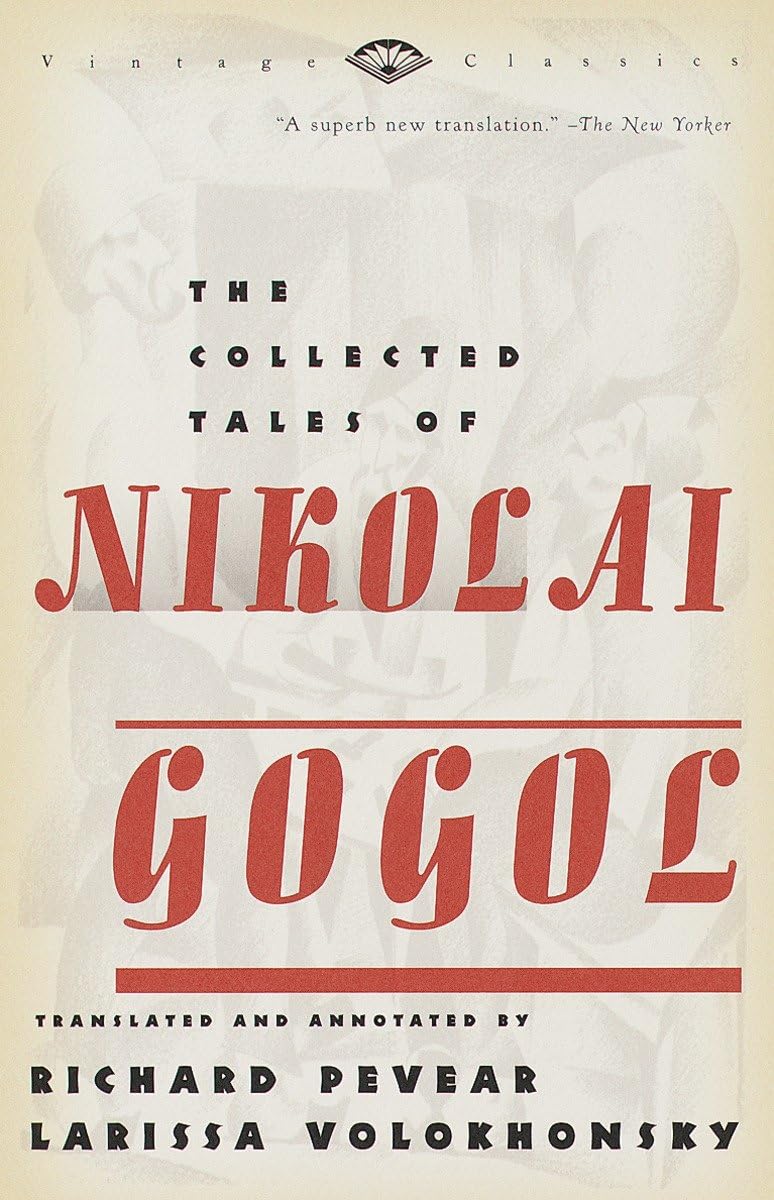
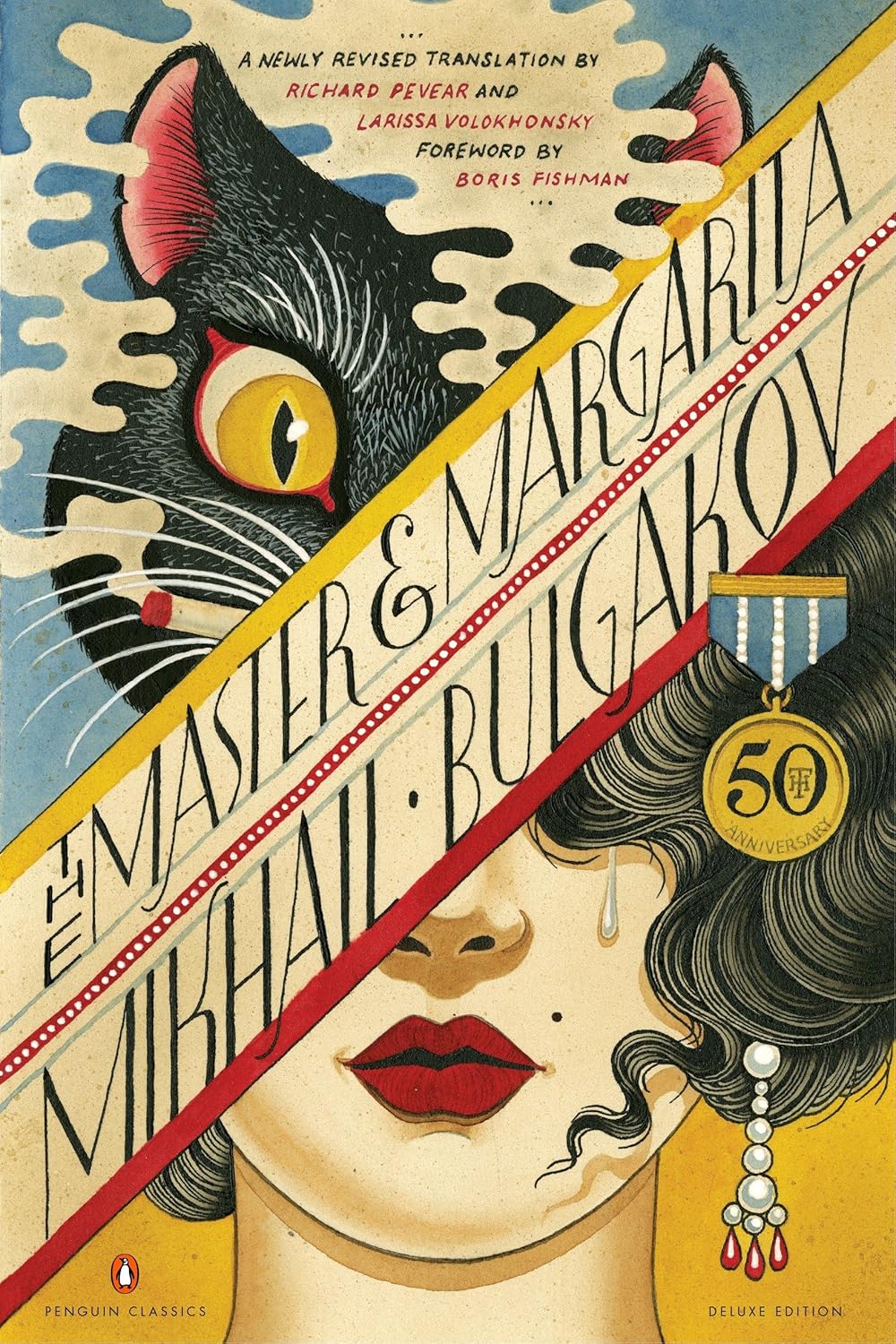
If you are reading Russian literature for the first time and want to start with Pevear and Volokhonsky, the best entry points are Crime and Punishment for Dostoevsky — their most celebrated and least contested translation — and Anna Karenina for Tolstoy, where the P&V version is the most widely available and best-supported by secondary reading. For Gogol, The Collected Tales is the obvious choice. The Master and Margarita is the best entry point for Soviet-era literature and shows P&V at their most fluid. The Adolescent and The Double and The Gambler are for readers who have already worked through the major Dostoevsky novels and want to go deeper.
As an Amazon Associate, I earn from qualifying purchases.
Looking for another classic? Browse all our translation guides →